Our last dinner was at the James Beard award restaurant…Mina’s Fish House…at Four Seasons in Ko’Olina. Weather was a bit rainy but as we descended into the coast, it was so sunny and beautiful. Prior to, we both had massages by Lisa. Drove back up to pick Mom. Back down for a 6PM dinner reservation.
The night was so nice. The majestic Four Seasons used to be the GW Marriot. Coy fish ponds…great valet service…and ritzy atmosphere made the evening special.
coy fish at entrance of Four Seasons at Ko’Olina
It was open air seating…now windows. The evening breeze was very relaxing as well as the candle lights and white linen table tops. The service was excellent…and..quite young but very attentive and professional.
The appetizers were the bomb. Raw oysters, shrimp, lobster, poke and a fresh marlin dip. Everything was very yummy. I also had salmon sashimi and lobster bisque.
coy fish at entrance of Four Seasons at Ko’Olina
The appetizers were stacked which made presentation quite exotic and memorable.
Prices were quite $$$.
I had the black cod while Edwina and Mom had the butterfish. My dish was simply incredible. Edwina’s was a bit disappointing as it was deep fried and laid over a bed of mashed potatoes.
The chocolate dessert was so smooth and chocolaty it just melted in one’s mouth.
The bill came to $630. but…the experience was simply priceless.
Can’t believe how fast time has gone. From 3 in 1983 to 7 in 2018. The progress is way beyond my expectations. I am truly blessed and humbly grateful with how our journey has been. With new building and staff, I feel we are just beginning to hit our stride. Thank you Lord for all the blessings. Thank you crew for helping me define who I am and what I can be. Mahalz.
“Our spiritual mission is not to ignore the darkness, but to bring light to the darkness.” ~Marianne Williamson
It’s 3:17AM. You’ve been staring at the clock since 1:42AM, mind racing, body tense. In five hours you’re going to have to drag yourself to work, terrified that you’re going to fall asleep at your desk—again.
If you have trouble sleeping, you’re not alone. I know what it feels like to lie awake, reliving mistakes, making lists of things that might go wrong, waiting for sleep that never seems to come.
In fact, almost one-third of the adult population in the US has trouble falling asleep from time to time. Ten percent of us have long-term insomnia, which means we struggle to fall asleep at least three nights a week for over three months.
Whether you have a wakeful night once in a while or find yourself lying awake all the time, here are some new ways to think about and deal with insomnia that could change the way you feel about those sleepless nights.
Preparing for Sleep
Using the following Feng Shei techniques can help turn your bedroom into a sanctuary that invites relaxation and encourages a good night’s sleep.
Clean Out the Clutter
Begin by getting rid of anything in your bedroom that isn’t useful, or doesn’t bring you joy. Clean out the clutter from under your bed, the back of your closet, and all your drawers. Dust out the corners of the room and make your bed. According to the National Sleep Foundation, people who make their beds are 20 percent more likely to get a good night’s sleep.
Remove or turn off as many electronics as possible. If you choose to have a phone or personal device in the room, keep it as far from the bed as possible. That blue light from your device can inhibit the production of melatonin, which helps you fall asleep.
Engage Your Senses
Once your bedroom is clean and clutter-free, turn it into a welcoming retreat by finding ways to appeal to your senses.
First, surround yourself with soft colors. Focus on pastels or earth tones, no black floors or walls. An occasional splash of vibrant color is fine, but the overall effect should be soothing and peaceful.
To bring balance to the room and help you feel safe as you sleep, make sure the head of your bed is against a wall, the bed is easily accessible from both sides, and the bedside tables are a match in size and proportion.
If you’re bothered by noise, try using a white noise machine, or play some soothing music to help you unwind.
To appeal to your sense of smell, use a diffuser with scented essential oils. Lavender and jasmine are great for helping you relax.
Every fabric that touches your skin should be soft and inviting. Your sheets should be the best quality you can afford. If you haven’t replaced your pillow in this century, it’s time for a new one. Your mattress should support your weight comfortably. If it’s more than ten years old or it sags in the middle, replace it.
Making your bedroom into a safe, comforting sanctuary is a wonderful way to help ease insomnia.
Getting to Sleep
Acupressure
Acupressure works by removing energy blockages in your body and restoring the flow of qi, (life energy) throughout your body. This renewed flow of the life force helps bring a sense of calm and balance to your body, mind, and spirit, paving the way to a good night’s sleep.
One of the most effective acupressure points for insomnia is called “The Spirit Gate.”
To find this point, place your right thumb on the horizontal crease of your left wrist, in line with your little finger. Press or massage the point gently for a minute or two, while you breathe deep into your belly. Repeat on the other hand.
Continue, alternating sides, until you feel both your body and spirit relax.
Qigong
This technique is my favorite stress-buster. I often use it after a long, hard day to ease the tension in my body and soothe my anxious spirit. It comes from The Qigong Workbook for Anxiety, by Master Kam Chuen Lam, and is called “Overwhelmed, Lying Down, in the Middle of the Night.”
Begin by lying on your back in bed, arms at your sides. While your heels remain on the bed, lift your toes so your feet are at right angles to your legs and you feel a stretch up the back of your legs.
Turn your palms toward your thighs. Clench your fists and curl them inward until you feel a stretch in your wrists. As you squeeze your fists as tightly as possible, lift your head and look at your toes. Breathe in and hold your breath to a count of four. Then breathe out with a whoosh, relaxing your body at the same time.
I suggest you repeat this pose up to six times or until you’re fully relaxed and ready to drift off to sleep.
The Sacred Hours
If you’re like me, you may have had no trouble getting to sleep, but find yourself wide awake in the middle of the night. And if you’re a worrier like me, you can lie awake for hours, worrying about the undone project at work, the annoying thing your sister said, or the strange noise your car’s been making.
Worst of all is the fear there’s something’s wrong you and that you’ll never sleep again. Believe me, I know all about the vicious cycle of worry leading to insomnia, and insomnia leading to more worry.
What broke that cycle for me was learning that waking up in the middle of the night is a perfectly normal function of the human body. Believe it or not, before the invention of the light bulb brought us artificial light, people traditionally slept in two distinct segments.
The first segment of sleep began in the early evening (starting between 7:00pm and 8:00pm). This first sleep was followed by a wakeful period of a few hours in the middle of the night (usually around midnight) and was followed by a second sleep through morning.
For thousands of years, people used this time to think, pray, read, or even go visiting. Today research suggests that the time between those sleep segments is a good time to meditate, create and imagine.
Once I understood that segmented sleep was normal, I stopped yelling at myself for being awake, and I stopped trying to force myself to sleep. Instead, I began using those wakeful hours as an opportunity to reimagine my environment, rethink my self-care, and reconnect with both my spirit and my creativity.
How about you? Does the idea of segmented sleep change the way you feel about your insomnia? Can you think of any way you could use that time to improve your life?
Here are some techniques I use that you might find helpful. Try them all, and see what works best for you.
Meditate
If you already have a meditation practice, this quiet time is perfect for making a connection with your inner spirit.
If you don’t know how to mediate, or find meditation difficult, just start noticing your breath as it moves in and out of your body. With each inhale, focus on the word “in.” With each exhale, focus on the word “out.” Notice how cool the air is as you breathe in, how warm the breath is as you breathe out. As you continue breathing, notice how, over time, your body relaxes and continues to sink deep into an ever-growing sense of peace.
If you have trouble meditating on your own, listen to a guided meditation CD or app.
Think Positive
Instead of spending time reliving all the missteps and mistakes you’ve made in the past, why not use this time to focus on all the things that have gone well?
If don’t know where to begin, here are some prompts I use to get started:
I’m glad I tried…
I’m proud that I…
I’m thankful for…
I’m happy I have….
I love being with…
I appreciate …
I had fun…
I savored….
All right, maybe you’re going through a tough time. Maybe you’re dealing with a recent loss or are facing a difficult challenge, and you’re struggling to find a single thing to be grateful for.
Don’t give up. I promise you, no matter how bad things seem right now, there’s something in your life to be grateful for. Look for small joys, moments of pleasure or unexpected beauty.
Are you grateful for the warmth of your bed? Or that you have a great support system? Maybe you’ve recently enjoyed a great meal, or heard a song that you liked. Be gentle with yourself. Just coming up with one or two things you appreciate can make a big difference in how you feel and how you sleep.
If things are going well in your life, why not make a game of seeing how many things you can come up with to be grateful for? Can you find ten things to celebrate? A hundred? More?
A positive shift in your thinking brings an inner sense of calm that can help you ease into a restful sleep.
Forgive
What if you used this peaceful time to let go of an old hurt, anger, hate, or shame? The burdens you’ve been carrying around for so long, weigh you down. Releasing them can make your life easier and your sleep more restful.
Think a minute. Is there someone you could forgive? Is there a situation you would like to put behind you? Do you need to forgive yourself?
If you’re ready to release this old pain, begin by focusing on the person or situation you would like to forgive or let go. When you bring it, or them, to mind, what do you feel in your body? Where do you feel it?
To let go of that pain, put your hand over the place in your body where that pain lives. Now, imagine that pain is slowly dissolving under the heat of your hand and draining out of your body into the ground below. As you breathe out, let go of those old hurts. As you breathe in, welcome a new sense of light and love.
Continue until you feel a deep sense of calm and you gently drift towards sleep.
Get Up
Finally, if you still can’t sleep, consider getting up and doing something restful or creative.
This is not a time to tackle a work project, answer emails, clean, or do anything that causes you stress. This is a time to explore who you are, and to get in touch with your heart and your soul.
Relax
Sip a cup of herbal tea. Read something that uplifts your heart. Do a puzzle. Knit. Gaze up at the stars. Follow the path of the moon across the sky. Just sit and soak in the peace and quiet. Try a yoga pose or two if that feels relaxing, or maybe take a warm shower to help ease any muscles that feel tense.
Create
This is also a great time to write, or draw in a journal. (It’s better to go old school here and use a paper and pen. The blue light from a personal device can keep you awake).
You could also use this time to sketch, write music, write a poem, or try your hand at that novel you’ve always wanted to write (but no working on anything that causes you stress. The idea here is to enjoy the act of creation, not to judge or critique your work).
Another idea is to write a letter of gratitude to someone who helped you when you needed it, or a letter of encouragement to someone who could use a kind word. Or you could write a letter of encouragement and support to yourself.
Reassess
After twenty minutes check back in with your body. How is it feeling? Are your shoulders relaxed? How about your belly? Your jaw?
If you’re feeling physically relaxed and emotionally calm, try going back to bed. If you’re still tense, wait another twenty minutes, then check in again. At that point, no matter how you feel, climb back into bed for twenty minutes knowing that it’s perfectly normal to still be awake, and that you will eventually fall into a deep restful sleep.
—
No matter what’s keeping you awake at night, there’s always a way to bring some light into the darkness, to care for your heart and soul with kindness, and to love yourself through the night.
Wendy Leeds is a psychotherapist and a cancer survivor. She knows what it’s like to face anxiety and trauma, and she’s working on a book to share her experience and expertise. Wendy’s CD, Creating A Calm Day, is available on Amazon here. Wendy offers the gift of her B.E.A.R. technique for handling panic on her website, wendyleeds.com. Join Wendy on Facebook at @WendyLeedsKeepingCalm.
“Our spiritual mission is not to ignore the darkness, but to bring light to the darkness.” ~Marianne Williamson
It’s 3:17AM. You’ve been staring at the clock since 1:42AM, mind racing, body tense. In five hours you’re going to have to drag yourself to work, terrified that you’re going to fall asleep at your desk—again.
If you have trouble sleeping, you’re not alone. I know what it feels like to lie awake, reliving mistakes, making lists of things that might go wrong, waiting for sleep that never seems to come.
In fact, almost one-third of the adult population in the US has trouble falling asleep from time to time. Ten percent of us have long-term insomnia, which means we struggle to fall asleep at least three nights a week for over three months.
Whether you have a wakeful night once in a while or find yourself lying awake all the time, here are some new ways to think about and deal with insomnia that could change the way you feel about those sleepless nights.
Preparing for Sleep
Using the following Feng Shei techniques can help turn your bedroom into a sanctuary that invites relaxation and encourages a good night’s sleep.
Clean Out the Clutter
Begin by getting rid of anything in your bedroom that isn’t useful, or doesn’t bring you joy. Clean out the clutter from under your bed, the back of your closet, and all your drawers. Dust out the corners of the room and make your bed. According to the National Sleep Foundation, people who make their beds are 20 percent more likely to get a good night’s sleep.
Remove or turn off as many electronics as possible. If you choose to have a phone or personal device in the room, keep it as far from the bed as possible. That blue light from your device can inhibit the production of melatonin, which helps you fall asleep.
Engage Your Senses
Once your bedroom is clean and clutter-free, turn it into a welcoming retreat by finding ways to appeal to your senses.
First, surround yourself with soft colors. Focus on pastels or earth tones, no black floors or walls. An occasional splash of vibrant color is fine, but the overall effect should be soothing and peaceful.
To bring balance to the room and help you feel safe as you sleep, make sure the head of your bed is against a wall, the bed is easily accessible from both sides, and the bedside tables are a match in size and proportion.
If you’re bothered by noise, try using a white noise machine, or play some soothing music to help you unwind.
To appeal to your sense of smell, use a diffuser with scented essential oils. Lavender and jasmine are great for helping you relax.
Every fabric that touches your skin should be soft and inviting. Your sheets should be the best quality you can afford. If you haven’t replaced your pillow in this century, it’s time for a new one. Your mattress should support your weight comfortably. If it’s more than ten years old or it sags in the middle, replace it.
Making your bedroom into a safe, comforting sanctuary is a wonderful way to help ease insomnia.
Getting to Sleep
Acupressure
Acupressure works by removing energy blockages in your body and restoring the flow of qi, (life energy) throughout your body. This renewed flow of the life force helps bring a sense of calm and balance to your body, mind, and spirit, paving the way to a good night’s sleep.
One of the most effective acupressure points for insomnia is called “The Spirit Gate.”
To find this point, place your right thumb on the horizontal crease of your left wrist, in line with your little finger. Press or massage the point gently for a minute or two, while you breathe deep into your belly. Repeat on the other hand.
Continue, alternating sides, until you feel both your body and spirit relax.
Qigong
This technique is my favorite stress-buster. I often use it after a long, hard day to ease the tension in my body and soothe my anxious spirit. It comes from The Qigong Workbook for Anxiety, by Master Kam Chuen Lam, and is called “Overwhelmed, Lying Down, in the Middle of the Night.”
Begin by lying on your back in bed, arms at your sides. While your heels remain on the bed, lift your toes so your feet are at right angles to your legs and you feel a stretch up the back of your legs.
Turn your palms toward your thighs. Clench your fists and curl them inward until you feel a stretch in your wrists. As you squeeze your fists as tightly as possible, lift your head and look at your toes. Breathe in and hold your breath to a count of four. Then breathe out with a whoosh, relaxing your body at the same time.
I suggest you repeat this pose up to six times or until you’re fully relaxed and ready to drift off to sleep.
The Sacred Hours
If you’re like me, you may have had no trouble getting to sleep, but find yourself wide awake in the middle of the night. And if you’re a worrier like me, you can lie awake for hours, worrying about the undone project at work, the annoying thing your sister said, or the strange noise your car’s been making.
Worst of all is the fear there’s something’s wrong you and that you’ll never sleep again. Believe me, I know all about the vicious cycle of worry leading to insomnia, and insomnia leading to more worry.
What broke that cycle for me was learning that waking up in the middle of the night is a perfectly normal function of the human body. Believe it or not, before the invention of the light bulb brought us artificial light, people traditionally slept in two distinct segments.
The first segment of sleep began in the early evening (starting between 7:00pm and 8:00pm). This first sleep was followed by a wakeful period of a few hours in the middle of the night (usually around midnight) and was followed by a second sleep through morning.
For thousands of years, people used this time to think, pray, read, or even go visiting. Today research suggests that the time between those sleep segments is a good time to meditate, create and imagine.
Once I understood that segmented sleep was normal, I stopped yelling at myself for being awake, and I stopped trying to force myself to sleep. Instead, I began using those wakeful hours as an opportunity to reimagine my environment, rethink my self-care, and reconnect with both my spirit and my creativity.
How about you? Does the idea of segmented sleep change the way you feel about your insomnia? Can you think of any way you could use that time to improve your life?
Here are some techniques I use that you might find helpful. Try them all, and see what works best for you.
Meditate
If you already have a meditation practice, this quiet time is perfect for making a connection with your inner spirit.
If you don’t know how to mediate, or find meditation difficult, just start noticing your breath as it moves in and out of your body. With each inhale, focus on the word “in.” With each exhale, focus on the word “out.” Notice how cool the air is as you breathe in, how warm the breath is as you breathe out. As you continue breathing, notice how, over time, your body relaxes and continues to sink deep into an ever-growing sense of peace.
If you have trouble meditating on your own, listen to a guided meditation CD or app.
Think Positive
Instead of spending time reliving all the missteps and mistakes you’ve made in the past, why not use this time to focus on all the things that have gone well?
If don’t know where to begin, here are some prompts I use to get started:
I’m glad I tried…
I’m proud that I…
I’m thankful for…
I’m happy I have….
I love being with…
I appreciate …
I had fun…
I savored….
All right, maybe you’re going through a tough time. Maybe you’re dealing with a recent loss or are facing a difficult challenge, and you’re struggling to find a single thing to be grateful for.
Don’t give up. I promise you, no matter how bad things seem right now, there’s something in your life to be grateful for. Look for small joys, moments of pleasure or unexpected beauty.
Are you grateful for the warmth of your bed? Or that you have a great support system? Maybe you’ve recently enjoyed a great meal, or heard a song that you liked. Be gentle with yourself. Just coming up with one or two things you appreciate can make a big difference in how you feel and how you sleep.
If things are going well in your life, why not make a game of seeing how many things you can come up with to be grateful for? Can you find ten things to celebrate? A hundred? More?
A positive shift in your thinking brings an inner sense of calm that can help you ease into a restful sleep.
Forgive
What if you used this peaceful time to let go of an old hurt, anger, hate, or shame? The burdens you’ve been carrying around for so long, weigh you down. Releasing them can make your life easier and your sleep more restful.
Think a minute. Is there someone you could forgive? Is there a situation you would like to put behind you? Do you need to forgive yourself?
If you’re ready to release this old pain, begin by focusing on the person or situation you would like to forgive or let go. When you bring it, or them, to mind, what do you feel in your body? Where do you feel it?
To let go of that pain, put your hand over the place in your body where that pain lives. Now, imagine that pain is slowly dissolving under the heat of your hand and draining out of your body into the ground below. As you breathe out, let go of those old hurts. As you breathe in, welcome a new sense of light and love.
Continue until you feel a deep sense of calm and you gently drift towards sleep.
Get Up
Finally, if you still can’t sleep, consider getting up and doing something restful or creative.
This is not a time to tackle a work project, answer emails, clean, or do anything that causes you stress. This is a time to explore who you are, and to get in touch with your heart and your soul.
Relax
Sip a cup of herbal tea. Read something that uplifts your heart. Do a puzzle. Knit. Gaze up at the stars. Follow the path of the moon across the sky. Just sit and soak in the peace and quiet. Try a yoga pose or two if that feels relaxing, or maybe take a warm shower to help ease any muscles that feel tense.
Create
This is also a great time to write, or draw in a journal. (It’s better to go old school here and use a paper and pen. The blue light from a personal device can keep you awake).
You could also use this time to sketch, write music, write a poem, or try your hand at that novel you’ve always wanted to write (but no working on anything that causes you stress. The idea here is to enjoy the act of creation, not to judge or critique your work).
Another idea is to write a letter of gratitude to someone who helped you when you needed it, or a letter of encouragement to someone who could use a kind word. Or you could write a letter of encouragement and support to yourself.
Reassess
After twenty minutes check back in with your body. How is it feeling? Are your shoulders relaxed? How about your belly? Your jaw?
If you’re feeling physically relaxed and emotionally calm, try going back to bed. If you’re still tense, wait another twenty minutes, then check in again. At that point, no matter how you feel, climb back into bed for twenty minutes knowing that it’s perfectly normal to still be awake, and that you will eventually fall into a deep restful sleep.
—
No matter what’s keeping you awake at night, there’s always a way to bring some light into the darkness, to care for your heart and soul with kindness, and to love yourself through the night.
Wendy Leeds is a psychotherapist and a cancer survivor. She knows what it’s like to face anxiety and trauma, and she’s working on a book to share her experience and expertise. Wendy’s CD, Creating A Calm Day, is available on Amazon here. Wendy offers the gift of her B.E.A.R. technique for handling panic on her website, wendyleeds.com. Join Wendy on Facebook at @WendyLeedsKeepingCalm.
The trial was held in Federal court from February 7 – February 9. Judge Henry Morgan presided. We first received press coverage prior to my first Rally on November 10, 2015.
NOVEMBER/2015
Virginia Beach dentist rips city for treatment in eminent domain case
A long-time Virginia Beach dentist is decrying what he and his lawyers say is eminent domain abuse by the city against his practice.
A city spokesman relayed a statement Friday from Deputy City Manager Dave Hansen in response to the allegations.
“The city has accommodated Dr. Bergano and promptly addressed his concerns,” it said in part.
Dentist Allan Bergano and his staff. (Courtesy of Allan Bergano)
Allan Bergano said the city told him last year he would have to leave the building where he has served patients for more than three decades because of a widening project on North Witchduck Road. He and his wife, Edwina, spent nearly a year looking for another location; when they submitted the potential costs of their move to the city, they were shocked at its offer for relocation help: $25,000.
Bergano said other dentists who moved for a nearby widening project on South Witchduck Road had received assistance ranging from $280,000 to $500,000. He appealed the city’s offer. The response provided another surprise.
The city withdrew its offer of $25,000 and instead said the dental practice could stay where it was, Bergano said. The reversal came in August, about a month before the September deadline he had been operating under to move, he said. The Berganos had already spent time and money looking for a new location — tens of thousands of dollars, they say — and had a lease on the new spot, near Town Center.
Staying put, however, seemed an untenable situation to Bergano. The city had purchased the office complex in 2014 and in August began filling it with its Department of Human Services. A building that Bergano once shared with chiropractors, insurance agents, a law office and other small businesses was now devoted almost entirely to government services that drew an unsettling clientele for Bergano’s staff and patients.
They began seeing prisoners in orange jumpsuits and handcuffs coming for evaluations and “indigent people sleeping” in the parking lot, he said.
Bergano said his practice is now the only business in the building. The incompatibility of a dental office surrounded by Human Services was one of the reasons the city wanted him to move in the first place, Bergano said.
Hansen, in the statement released Friday, said Bergano had a month-to-month lease when the city acquired the office complex a year ago, and that the city has offered him a five-year extension on his lease.
“Dr. Bergano has known he was not being required to move since August 2015,” he wrote.
Hansen added that “several parking spots” have been marked for the dental office’s exclusive use, and said the city will schedule “those rare visits” by inmates when Bergano’s office is closed.
“Inmates are occasionally – but rarely – brought to the new Human Services offices located in the adjacent building. They are brought through a separate entrance,” he wrote.
The city has upgraded electrical and plumbing systems, landscaping and more to the building, which was “was in very bad shape” when the city bought it, Hansen wrote. Moving Human Services there was intended to “offer essential services to Virginia Beach residents closer to where they live” and is “part of a conscious effort to improve Human Services for our citizens,” he wrote.
As for Bergano’s expenses, Hansen wrote that the city has offered to pay for the time the dentist and his wife spent in their search for a new place, “as well as any other contractual expenses that were undertaken,” but “no such expenses have been disclosed to the city.”
“The city has already paid $2,500 to compensate the real estate broker that Dr. Bergano engaged to search for a new office,” he wrote.
The Norfolk eminent domain law firm Waldo & Lyle is representing the Berganos in their case. A representative for the firm relayed a blistering rebuttal Saturday to Hansen’s statement on behalf of the couple.
“The city has been a terrible landlord,” it said. “We are being forced to move because of the hostile environment the city has created, an environment that will kill the business that has taken us three decades to build.”
About the inmates, it said, “At least the city admits they are bringing them. What they are not saying is that they are bringing them in handcuffs accompanied by armed deputies.”
If the situation is so safe, they asked, “then why is there a full-time security guard posted outside?”
As for the designated parking spots, the Berganos said they asked for eight spots but received only four, “and often they are used by human services.”
The rebuttal also says the city has not offered to compensate them the same way it did for the three dentists who moved for the South Witchduck Road project.
“And when we presented a relocation estimate of almost $500,000 one city official laughed in our face,” they wrote.
The Berganos are holding a rally at 3 p.m. Tuesday at their office at 256 N. Witchduck Rd. to call attention to their case. Allan Bergano said they want to hold local government officials accountable and keep other small businesses from facing the same treatment.
“If this can happen to me it can happen to anybody,” he said. “This is not about me. This is about small businesses.”
A dentist said he plans to sue the city after it told him to relocate his business on North Witchduck Road, then changed its mind and said he could stay.
Allan Bergano, who moved to Hampton Roads from Seattle 32 years ago, says the city has treated him badly in the exchange and is withholding money he believes is due. He’s also angry that he now shares the building with a Human Services Department annex.
“I’m still wondering why I am being treated like this,” Bergano said. He is organizing a protest at his office today.
In a statement, Deputy City Manager Dave Hansen said the city has given Bergano $2,500 to pay for the real estate broker he used and has offered to compensate the dentist and his wife for their time expended in the search and any other contractual expenses that were incurred.
The couple have not taken up the offer, the statement said.
In September 2014, the city bought Bergano’s building on North Witchduck Road to house some operations of the Human Services Department. The building was in bad shape, and the city fixed it up, according to Hansen’s statement.
That month, Bergano was told in a letter that he would have to move and the city would reimburse him for those expenses.
Eleven months later, and after Bergano signed a lease elsewhere, the city sent a letter notifying him that the relocation was no longer necessary. He would be reimbursed for money he spent looking for a new place for his practice, according to the letter dated Aug. 20.
Bergano said he is entitled to hundreds of thousands of dollars that was given to other dentists in the area who relocated on the city’s dime. He also wants to know why the city backed out on him at the last minute.
“At first, I was kind of glad I didn’t have to move,” he said. “Then it dawned on me that if they could change their mind about relocating me, they could evict me.”
Bergano would not disclose how much he spent during the months he was looking for a new place to lease, but he said he flew to Pennsylvania to look at new dental equipment and hired advisers to help with the search.
He said the city directed him to three other dentists on South Witchduck Road who were relocated by the city because of road improvements. In those cases, reimbursements ranged from $280,000 to $520,000, according to city invoices.
The city reimbursed the other dentists between 2008 and 2011, according to the documents.
In a rebuttal statement to Hansen’s statement, Bergano said that when he presented a relocation estimate of almost $500,000, one city official “laughed in our face.”
Bergano said he plans to move even though the city has said he can stay in the building, because it now houses an annex of the Human Services Department.
“My patients don’t feel comfortable. My staff doesn’t feel comfortable,” he said. “I have to move.”
In a news release, Bergano said inmates in orange jumpsuits regularly come into the building, unsettling his patients. Hansen’s statement said inmates are occasionally, but rarely, brought in through a separate entrance, and their visits will be scheduled when Bergano’s office is closed.
Bergano said he plans to sue the city for relocation and medical expenses incurred during the time that he thought he would have to move. The situation has caused his blood pressure to rise, he said.
A rally for Bergano is planned for today at 3 p.m. at his office at 256 N. Witchduck Road.
Allan Bergano speaks to supporters at a rally on Nov. 10, 2015, outside his dental practice on North Witchduck Road.
A dentist who says the city intentionally disregarded his rights in an eminent domain case has filed a federal lawsuit over the matter and asked two senators and a congressman to seek an investigation into it.
Allan Bergano alleges in his complaint that the city acted at times with malice and with “callous disregard” for his constitutionally and federally protected rights regarding his longtime dental practice on North Witchduck Road. He also alleges the city failed to train its employees on areas of law involving displaced people and relocation benefits following a government’s acquisition of property.
Bargano’s lawsuit was filed late Tuesday afternoon in U.S. District Court in Norfolk by his attorney, Joe Waldo of the eminent domain firm Waldo & Lyle.
City Attorney Mark Stiles provided the following statement Wednesday by email through a city spokesman:
“We believe the city has treated Dr. Bergano fairly, but we have not yet seen the lawsuit, so we have no comment on it.”
In addition to the lawsuit, Bergano has sent letters to Sens. Mark Warner and Tim Kaine and Rep. Scott Rigell outlining what he describes as his “mistreatment” by the city of Virginia Beach and asking them to seek an investigation by the Federal Highway Administration into the matter.
The letters outline the history of Bergano’s dispute with the city and mention the dentist’s civic involvement in Virginia Beach.
“Dr. Bergano, among many other civic duties, recently chaired FilFest 2015 at Town Center which celebrated Filipino heritage and brought thousands of visitors to the City,” the letters say.
They are signed by the chairman of the Filipino American Community Action Group and the vice chairman of the Council of United Filipino Organizations of Tidewater, in addition to Bergano.
Bergano has leased space in an office building on Witchduck Road and practiced there for 32 years. He says the city acquired that building under threat of condemnation in 2014 for a road expansion project, and told Bergano that he would have to move his practice and be entitled to relocation assistance.
Bergano spent a year and thousands of dollars seeking a new location; when he signed a lease for a new spot, the city denied his request for relocation assistance, according to an email from a city employee that was filed with the lawsuit. Bergano’s estimated cost for build-out and equipment for the new spot totaled $458,000.
The city then reversed course and said Bergano could stay where he was. The city, after acquiring the building, had moved its Human Services Department into the offices around his dental practice, however, taking up parking spaces, bringing prisoners in handcuffs for evaluations, and drawing homeless people into the dentist’s office because all the other entrances to the building are kept locked, the letter to the legislators said.
Bergano says that situation has forced him to move.
Deputy City Manager Dave Hansen released a statement in early November regarding Bergano’s complaints.
“The city has accommodated Dr. Bergano and promptly addressed his concerns,” it said in part.
Hansen wrote that the city has offered to pay for the time the dentist and his wife spent in their search for a new place, “as well as any other contractual expenses that were undertaken,” but “no such expenses have been disclosed to the city.”
“The city has already paid $2,500 to compensate the real estate broker that Dr. Bergano engaged to search for a new office,” he wrote.
Bergano’s lawsuit, among other things, asks the judge to declare that Bergano is a displaced person under state and federal law and that the city deprived him of his rights. It seeks “appropriate compensatory damages” and attorneys’ fees and costs.
The city must adhere to federal law in the case because it received federal funding for the road expansion project, according to the complaint.
——————————————————————–
Based from Dennis’s press packet:
Embargo for Nov. 9, 2015
To: Hampton Roads news directors, newspaper editors, reporters
From Dennis Hartig, on behalf of Allan Bergano, D.D.S.
Re: Nov. 10 rally protesting eminent domain abuse Community protests eminent domain abuse Of popular Kempsville dentist
VIRGINIA BEACH — Friends and patients of a popular Kempsville dentist will rally at 3 p.m. Tuesday in protest of the way the City of Virginia Beach has crippled his practice. Dr. Allan Bergano, a well-known Kempsville community leader, has been seeing patients for three decades at his leased office at 256 N. Witchduck Road. To make way for improvements to North Witchduck Road, the city acquired the building under threat of condemnation. The city decided not to raze the building, but determined that it was no longer fit for business use. The city turned the building over to the its Department of Human Services. It ordered Dr. Bergano to move, promising to defray the relocation expense, as it had done for three nearby dentists whose offices were taken when South Witchduck Road was widened. Those three received from $280,00 to $520,000 in relocation assistance. In 2014, Dr. Bergano followed the city’s orders, spent a year and tens of thousands of dollars to find a new location, sign a new lease, and develop a budget for relocating the new office. During this time, the human services department moved in. The dental practice was the only private business left in the building. After following the city’s orders to move, and on the eve of his move to a new office, the city pulled the rug out from under Dr. Bergano. The city decided that Dr. Bergano should stay put and keep his practice in the same building as the human services department, even though Bergano told them it would hurt his practice. His 2,000 patients lost access to his office from Witchduck Road and clients of the city agency took his assigned parking spaces. But worst of all were the regular visits to the building by inmates from the city jail wearing orange jump suits, in handcuffs and accompanied by deputies. The visits by prisoners has created a hostile atmosphere that has unsettled his patients and staff. To save his business, Dr. Bergano is relocating a short distance away. The city has refused to defray his expenses. He is considering legal action but is hoping the city changes its mind.
VIRGINIA BEACH, Va. (WAVY) – A Virginia Beach dentist says he’s dealing with a painful situation for his practice. It’s all for the sake of progress for drivers.
Dr. Allan Bergano’s office is on North Witchduck road, essentially in the path of the big widening project. He says the past year of bad buyout offers and changes is worse than, well, going to the dentist.
Dr. Allan Bergano established his practice in Virginia Beach 32 years ago. Right now he’s paying two leases, but not by choice.
“Thirty-two years down the drain,” said Bergano. “The city stole my dream. This is my American dream right here and it went down the drain. Small business owners are being ripped off by the city. I followed directions to a tee and then all of sudden the rug was pulled from me.”
Dr Bergano says it all began last year when the city approached him with a plan to widen Witchduck Road which would require him to relocate with their help. The city bought the building and began moving offices with the Department of Human Services. He says they gave him a year to find a new place, sign a lease and bring back his bids. But when he did he was appalled.
“At first I said, OK I completely understand, limited parking, closing of the street and all the city services,” said Bergano. “Then they told me I only qualified for $25,000 whereas my colleagues were getting anywhere between $250,000-$500,000.”
And when he appealed their decision, things only got worse. Another change of heart. He says they rescinded their offer altogether. No money to move. In fact, he no longer had to relocate, although he says they knew he might not feel so comfortable anymore.
“This is not conducive to a dental practice,” said Bergano. “My patients don’t feel safe. My staff doesn’t feel safe.”
So now he’s feeling the squeeze — Left to move on his own dime. Dr. Bergano says he refuses to be treated unfairly or remain silent anymore. He’s hosting a rally to bring attention to this issue next week. He says future business owners need to be made aware. It’s Tuesday, Nov. 10 at 3 p.m. outside of his office at 256 N Witchduck Rd.
Virginia Beach City Attorney Mark Stiles sent WAVY.com this statement Friday:
We have been working with Dr. Bergano for quite some time, and we will continue to work with him to find an agreed resolution that is fair to everyone
Deputy City Manager Dave Hansen sent this statement to WAVY later in the day.
10 On Your Side will be following up on this case next week.
The city asked him to move last year to make way for a road project, but they offered a small fraction of what they’ve paid to other medical practices, Bergano said.
Then, he says, the city reneged on the deal altogether, but by that time he had already signed a lease in a new location.
“The city has to look at small businesses,” Bergano said. “We are the heart and soul of this community, and the message I have is, if they’re going to treat me the way they have done, nobody is safe.”
Bergano’s attorney says he wants the city to pay about $475,000 in relocation costs, and he plans to file suit Wednesday.
Outside the Witchduck Road location where Bergano has practiced for 32 years, long-time patients, friends, and coworkers held up signs showing their support, and drivers honked and cheered as they passed.
“I feel like the city has let him down in some way,” said Raul Padilla, who has known Bergano since 1983. “He sustained [his practice], he worked at it for 32 years, and it would be a shame to see it fall or diminish in some measure because of this.”
Bergano said he’s worked not only to build his practice, but also to help the community grow during his time in Virginia Beach.
“I will continue to make this community better. I believe in Virginia Beach, and I believe the city will do the right thing,” he said.
A spokesperson for the city said because the matter is headed to court, city officials would no longer comment.
City councilman Bob Dyer stopped by the rally and said although he was not familiar with all aspects of the story, he would talk with city officials about it.
Bergano Rebuttal to Hansen statement
Voluntarily moving? No. This is extremely misleading because it omits the fact that the city told us last year we had to move because the building would no longer be fit for business use. They ordered us out and gave us one year to find a new location. • We spent a year and tens of thousands of dollars finding a new place. We signed a lease because the city told us to. Now we have two leases. On the eve of our move the city pulls the rug out from under us and makes us stay put by refusing to pay to relocate us.
Good landlord? No. The city has been a terrible landlord. We are being forced to move because of the hostile environment the city has created, an environment that will kill the business that has taken us three decades to build.
Once again, the statement omits some key facts: The city doesn’t say that it will be very difficult to drive in here because the building loses access to Witchduck Road.
We asked for eight parking spots, they gave us four and often they are used by human services.
On the inmates. At least the city admits they are bringing them in. What they are not saying is that they bring them in in handcuffs accompanied by armed deputies. And if there situation is so safe, then why is there a full-time security guard posted outside?
Fair compensation? No. The city once again omits facts. It has not offered to compensate us the same way it did for the three dentists who were relocated when S. Witchduck was overhauled. • They got from $280,000 to $520,000. They city has refused to explain why we are being treated differently. And when we presented a relocation estimate of almost $500,000 one city official laughed in our face.
Friends and patients of Kempsville dentist Allan Bergano held a rally outside the Witchduck Office Court building at 256 N. Witchduck Road Nov. 10, 2015 in protest of the way the City of Virginia Beach has treated a relocation issue with his practice.
VIRGINIA BEACH
A dentist who says the city’s indecision as to whether he had to move his longtime dental practice has cost him a great deal of time, money and stress sued this week.
Dr. Allan Bergano’s filing in federal court in Norfolk also named as defendants two city employees he says issued the decisions: City Right of Way Agent Gail Salmons and Director of Public Works Philip Davenport. He also has sent letters to U.S. Sens. Mark Warner, Tim Kaine and Rep. Scott Rigell asking them to investigate the matter.
The problems between the city and the dentist began last year when the city bought the building on North Witchduck Road where Bergano has maintained his practice for 32 years and told him he had to move, according to the lawsuit. Bergano was told he would be compensated for expenses, the lawsuit says.
While he looked for an appropriate site, Bergano said his business suffered. A city road expansion project moved his office’s entrance and eliminated some parking. When some of the city’s Human Services Department relocated to the facility, employees and visitors took up most of the remaining parking, prisoners in handcuffs and jail jumpsuits were brought in, and homeless people camped out in the parking lot sometimes came inside his office. It made his patients and staff feel unsafe, the lawsuit says.
Bergano signed a lease for a new site in July and submitted an estimate of $458,393 for relocation costs. The expenses included hiring a real estate broker, advisers to help with the search, and all the new equipment and construction expenses required for such a move, said Joseph Waldo, one of Bergano’s lawyers.
The city denied the request. When Bergano threatened to appeal, he received a letter telling him that he did not have to move after all, and that he would be compensated only for the real estate broker fee and his time, even though the city has paid up to $520,000 for another dentist’s relocation, the lawsuit states.
Deputy City Attorney Christopher Boynton said this week the city had not been served yet and he did not believe it was appropriate to comment at this time.
A statement issued by Deputy City Manager Dave Hansen in November said the city has addressed Bergano’s concerns, including marking several parking spaces for his use, scheduling the inmates’ visits to times when the dentist’s office is closed, paying $2,500 for his real estate broker, and offering to pay for contractual expenses and time spent on the search.
Allan Bergano speaks to supporters at a rally on Nov. 10, 2015, outside his dental practice on North Witchduck Road.
A dentist who says the city intentionally disregarded his rights in an eminent domain case has filed a federal lawsuit over the matter and asked two senators and a congressman to seek an investigation into it.
Allan Bergano alleges in his complaint that the city acted at times with malice and with “callous disregard” for his constitutionally and federally protected rights regarding his longtime dental practice on North Witchduck Road. He also alleges the city failed to train its employees on areas of law involving displaced people and relocation benefits following a government’s acquisition of property.
Bargano’s lawsuit was filed late Tuesday afternoon in U.S. District Court in Norfolk by his attorney, Joe Waldo of the eminent domain firm Waldo & Lyle.
City Attorney Mark Stiles provided the following statement Wednesday by email through a city spokesman:
“We believe the city has treated Dr. Bergano fairly, but we have not yet seen the lawsuit, so we have no comment on it.”
In addition to the lawsuit, Bergano has sent letters to Sens. Mark Warner and Tim Kaine and Rep. Scott Rigell outlining what he describes as his “mistreatment” by the city of Virginia Beach and asking them to seek an investigation by the Federal Highway Administration into the matter.
The letters outline the history of Bergano’s dispute with the city and mention the dentist’s civic involvement in Virginia Beach.
“Dr. Bergano, among many other civic duties, recently chaired FilFest 2015 at Town Center which celebrated Filipino heritage and brought thousands of visitors to the City,” the letters say.
They are signed by the chairman of the Filipino American Community Action Group and the vice chairman of the Council of United Filipino Organizations of Tidewater, in addition to Bergano.
Bergano has leased space in an office building on Witchduck Road and practiced there for 32 years. He says the city acquired that building under threat of condemnation in 2014 for a road expansion project, and told Bergano that he would have to move his practice and be entitled to relocation assistance.
Bergano spent a year and thousands of dollars seeking a new location; when he signed a lease for a new spot, the city denied his request for relocation assistance, according to an email from a city employee that was filed with the lawsuit. Bergano’s estimated cost for build-out and equipment for the new spot totaled $458,000.
The city then reversed course and said Bergano could stay where he was. The city, after acquiring the building, had moved its Human Services Department into the offices around his dental practice, however, taking up parking spaces, bringing prisoners in handcuffs for evaluations, and drawing homeless people into the dentist’s office because all the other entrances to the building are kept locked, the letter to the legislators said.
Bergano says that situation has forced him to move.
Deputy City Manager Dave Hansen released a statement in early November regarding Bergano’s complaints.
“The city has accommodated Dr. Bergano and promptly addressed his concerns,” it said in part.
Hansen wrote that the city has offered to pay for the time the dentist and his wife spent in their search for a new place, “as well as any other contractual expenses that were undertaken,” but “no such expenses have been disclosed to the city.”
“The city has already paid $2,500 to compensate the real estate broker that Dr. Bergano engaged to search for a new office,” he wrote.
Bergano’s lawsuit, among other things, asks the judge to declare that Bergano is a displaced person under state and federal law and that the city deprived him of his rights. It seeks “appropriate compensatory damages” and attorneys’ fees and costs.
The city must adhere to federal law in the case because it received federal funding for the road expansion project, according to the complaint.
U.S. District Judge Henry Morgan says the city hasn’t been fair to Dr. Bergano and needs to be.
In 2014, Virginia Beach bought Dr. Bergano’s building, where he has been a dentist since 1983, and told him to move.
In July 2015, Dr. Bergano signed a lease for a new building and submitted a customary expense of relocation and buildup of new office to the city.
In August 2015, the city offered $25,000 for relocation, then later withdrew that. Other dentists got between $280,000 and $520,000 to relocate, but the city claims that was because those dentists had buildings that were destroyed. Dr. Bergano did not need to move, according to the city.
On August 20, 2015, the city informed Dr. Bergano, who has already committed to a new lease elsewhere, that he is not entitled to relocation funds, reversing their 2014 position.
The Human Services Department has moved into the building. Dr. Bergano says that move has brought inmates, homeless people and other people with severe issues into his dental business climate. Security guards now patrol the property. Bergano thinks this is no place to have a dental office.
On June 1, 2016, Dr. Bergano will move to a new site at his own expense.
“I just want to be treated like my colleagues, fairly, and I am not being treated fairly,” Bergano says.
Bergano wants Virginia Beach to pay him at least $400,000 to move his business. Today, there is no money on the table.
“I feel like they want to make me the poster child for future dentists, or other small businesses that have to move. They will be tough on them, and not pay a single dime,” Bergano says.
In an April 7 motions hearing, U.S. District Judge Henry Morgan told the City Attorney Mike Beverly: “You’ve got a citizen of the City of Virginia Beach who has been practicing dentistry for 30 years. He was treated very unfairly by the city.”
“The city has an obligation to treat Dr. Bergano fairly, but the city also has an obligation to the city taxpayers and not to give Dr. Bergano something that he is not entitled to under the law,” Beverly told WAVY News.
Judge Morgan continues: “The question is, can the city avoid that with some technical defense and say that he doesn’t have a cause of action even though they treated him grossly unfairly?”
“This is what we’ve been saying all along. Dr. Bergano has been treated unfairly by the City of Virginia Beach, and all he is looking forward to is to be treated as fairly as his colleagues have been,” says Bergano’s attorney, Brian Kunze, from the firm Waldo & Lyle.
Other doctors that had to move were paid hundreds of thousands of dollars.
Judge Morgan tells the city to settle, then shuts down Beverly: “The city ought to settle the case with the plaintiff, but the city ought not be treating people like this unfairly, which is what they’re doing.”
According to the transcript:
MR. BEVERLY: May I respond, Your Honor?
THE COURT: (Judge Morgan) No.
10 On Your Side’s Andy Fox asked Beverly whether the line of statements from the Judge that will hear the case is bad news for him.
“We trust Judge Morgan will give us a fair trial once the city presents its side of the case,” Beverly responded.
This is really important for the city because Judge Morgan is hearing the case.
On Wednesday, Dr. Bergano moves his business to his new office at his own expense. Dr. Bergano’s family and friends will rally at the old business that day at 4:30 p.m. to protest what the city has done.
Among the original founders of FAHNS are Teresa (Romero) Jamero and Peter Jamero Sr. Terrie served two terms as FANHS National President in the 1990s, at which time she presided over National Conferences in San Francisco and New York City. During her tenure, FANHS experienced its greatest growth in the number of chapters, which presently numbers 35 In addition to her FANHS activities, she also chaired several old timer Grand Reunions of Bridge Generation Filipino Americans in California.
Pete served as FANHS’ first National Vice President. For the 1994 San Francisco National Conference, he coined the term “Bridge Generation” that refers to children born in the U.S. by the end of 1945 to at least one Filipino parent who immigrated to America during the early 1900s.
He is the only surviving signee of FANHS’ Articles of Incorporation. He also is a published author of two books: a memoir and second one featuring the Bridge Generation. For more information, please visit his website and blog at www.peterjamero.net.
OCTOBER 3 Lourdes Markley and Nena Calica
Lourdes Markley
Lourdes has the rare distinction of attending every FANHS National Conference. She is one of the founders of FANHS National and FANHS/Oregon Chapter which is the first chartered FANHS Chapter. For many years, she served as FANHS National secretary. She also co-chaired the FANHS/Portland National Conference in 1998.
Nena Calica
Nena was a member of the NEH group headed by Nancy Koslosky and Dorothy Cordova in the late 1970s. The histories and pictures gathered were passed onto DPAA. In 1982 it disbanded. This vital collection of information became the beginning of the foundation which FANHS began to build on. With information on hand, Auntie Nena is credited of being one of the speakers on the Bridge Generation (2nd generation Filipino Americans whose parents were the original Manongs/Manangs who came to America in the 1920s and 30s). She spoke primarily to students in Los Angeles, CA. Her talks on the Bridge Generation is very important since this history remains relatively unknown on a very significant generation who founded FANHS. She is the perfect example one does not need a fancy college degree to validate a talk on the Bridge Generation if one is a member of that history and lived the experiences of the makers of that history.
October 4 Concordia and Simeon Mamaril
Simeon and Concordia Mamaril
Concordia and Simeon Mamaril are 1st generation Filipino Americans who reside in Portland, Oregon. They were among the original founders of FANHS National. They have the honor and distinction of establishing and being chartered as the first FANHS Chapter…Oregon. They are also credited in displaying the first FANHS photo exhibit displayed at the Portland Library.
October 4 Vangie Buell and Art Villaruz
Art Villaruz
Helen and Art Villaruz
Art has been an active member and officer of FANHS since its early inception. His leadership at the national level with FANHS involved serving as National President, Vice-President, and currently as National Trustee. Art also served as president at the local level both in Santa Clara and in the Central Valley. Art retired from education after 34 years serving as a principal and teacher at the elementary level in San Jose, California. Upon retiring and moving to the Central Valley of California, Art began a second career at the university level serving as supervisor of student teachers at California State University Stanislaus. Throughout his involvement with FANHS, Art has been a presenter at all of the National Conferences.
Vangie Buell
Vangie Buell
Vangie served as a FANHS National President. She was one of the founders of the East Bay FANHS Chapter.
She’s the granddaughter of a Buffalo Soldier — the nickname given by American Indians in the 19th century to black American soldiers. Even rarer: Her grandfather Ernest Stokes was one of the 6,000 Buffalo Soldiers sent to the Philippines to fight during the Spanish-American War during the 1890s. He was one of the few who stayed, married a Filipina (Buell’s grandmother) and had children.
In her memoir “Twenty-Five Chickens and a Pig for a Bride: Growing Up in a Filipino Immigrant Family” (T’Boli Publishing, 2006), Buell recounts her grandfather’s experience, and her own, as one of the few Filipinos growing up in West Oakland during the 1930s and ’40s. She remembers seeing “No Filipinos or dogs allowed” signs posted at restaurants and having to wear a button that said “I am a loyal Filipino” during World War II, because even though she didn’t look Japanese, she was still Asian — and vulnerable to harassment. -Michelle Devera Louie, SF Chronicle
A Filipino-American activist, Vangie was born in San Pedro, California, grew up in West Oakland and devoted her life to social justice, human dignity, multicultural understanding and equality.
October 7 Nancy Koslosky, Jeannette Tiffany and Timoteo Cordova
Nancy Koslosky (far right)
Nancy Koslosky, along with Dorothy Cordova, were in charge of the Washington State Oral History Project, one of the Demonstration Project for Asian Americans /DPAA’s projects. The DPAA applied and received a historic first grant from the National Endowment for the Humanities (NEH) that involved a national network of scholars and community based historians who contributed to the publication, “Filipinos: Forgotten Asian Americans” by Fred Cordova. When DPAA was disbanded in 1982, all the resources collected….oral histories and pictures…were eventually used to initiate the formation of FANHS.
Jeannette Tiffany
From the beginning, Jeannette Tiffany is the photogenic eyes of FANHS. She has screened over hundreds of pictures the past two decades and determines which photos is compelling enough to tell our history. A visit to the FANHS archives will show she has choosen the photos amazingly well.
Timoteo Cordova
Since the beginning, Timoteo is responsible for designing FANHS National tee shirts, posters and FANHS National Conference programs. When one sees FANHS paraphernalia, more than likely it is the creation of Timoteo. He is also an accomplished playwright, graphic artist and mentor to many performing artists.
October 8 Fran Alayu-Womack and Estrella Alomar
Fran Alayu-Womack
Fran Alayu-Womcak
Born in Chicago, Illinois Fran served as the FANHS National Treasurer as well as treasurer for FANHS Midwest Chapter. She has a long history of civil rights activism and also studied at Massachusetts Institute of Technology (MIT).
Estrella Alomar
Estrella Alomar (right)
Estrella served as a FANHS Trustee. She is also a founder of Filipino American Historical Society of Chicago. She was the Chair of FANHS/Chicago National conference in 1992. She studied at Depaul University.
October 9 Meg Thornton, Phil Ventura and Sam Balucas
Meg Thornton, Phil Ventura and Sam Balucas are founding members of FANHS and FANHS/Los Angeles Chapter. All three were Chairs during the FANHS/LA National Conference in 2002. Uncle Phil and Uncle Sam are Uncle Fred Cordova’s brothers. (Pictured, circa 1995…Uncle Phil, Emily P. Lawsin and Uncle Sam)
Meg Thornton, Phil Ventura and Sam Balucas are founding members of FANHS and FANHS/Los Angeles Chapter. All three were Chairs during the FANHS/LA National Conference in 2002. Uncle Phil and Uncle Sam are Uncle Fred Cordova’s brothers. (Pictured, circa 1995…Uncle Phil, Emily P. Lawsin and Uncle Sam)
October 10 Raymond Obispo and Joe Montano
Raymond Obispo (far right) with members of FANHS Hampton Roads
Raymond Obispo is an educator at Salem High School in Virginia Beach, Virginia. In 1994, he participated in the FANHS video premiere of “Filipino Americans: Discovering Their Past For the Future”. Over 600 students and teachers attended the event at Landstown Middle School. This is where he first met Auntie Dorothy and Uncle Fred Cordova. In 1995, he founded the Filipino American Cultural Society of Salem High School, which is the longest running Filipino American student organization on the east coast. In 1998, he was elected to serve on the Filipino American National Historical Society’s national board of trustees, a position in which he still currently holds. Mr. Obispo has over 23 years of community service including multigenerational community book writing projects, grassroots art programs, and has presented workshops or keynoted at various Asian American conferences on the East coast. In 2008, Mr. Obispo was elected by Governor Tim Kaine to serve on the Virginia Asian Advisory Board. Edwina Bergano and I are so proud and grateful to see him mentor hundreds of students and colleagues in the significance of FANHS. He is only one of four East Coast Pinoys to be honored during FANHS Legacy Month
FACS helps launch our book, “In Our Aunties’ Words: The Filipino Spirit of Hampton Roads” in 2005
Raymond Obispo is an educator at Salem High School in Virginia Beach, Virginia. In 1994, he participated in the FANHS video premiere of “Filipino Americans: Discovering Their Past For the Future”. Over 600 students and teachers attended the event at Landstown Middle School. This is where he first met Auntie Dorothy and Uncle Fred Cordova. In 1995, he founded the Filipino American Cultural Society of Salem High School (FACS), which is the longest running Filipino American student organization on the east coast. In 1998, he was elected to serve on the Filipino American National Historical Society’s national board of trustees, a position in which he still currently holds. Mr. Obispo has over 23 years of community service including multigenerational community book writing projects, grassroots art programs, and has presented workshops or keynoted at various Asian American conferences on the East coast. In 2008, Mr. Obispo was elected by Governor Tim Kaine to serve on the Virginia Asian Advisory Board. Edwina Bergano and I are so proud and grateful to see him mentor hundreds of students and colleagues in the significance of FANHS. He is only one of four East Coast Pinoys to be honored during FANHS Legacy Month
Joe was a graduate of Norfolk Catholic High School and later from George Washington University in Washington, D.C. He became an avid Filipino America historian in 1993 after attending “We are a determined people: Filipinos of Yakima Valley, Washington,” a college symposium organized by FANHS Hampton Roads Chapter. In 1994 he helped with the FANHS-HR video premiere of ‘Filipino Amercians: Discovering their Past for the Future” held at the Smithsonian Institute’s American History Museum. He became grounded in building communtiy and saw public service as a direct path to changing people’s lives. Joe’s true passions in community organizing were ignited through an ambitious voter registration project, called FilVote, through the Filipino Civil Rights Advocates (FilCRA) in 1996. His career in politics took him from serving as one of the youngest Executive Directors of the National Federation of Filipino American Associations in 2000 to a state appointed position on the Virginia Asian Advisory Board from 2009 to 2013. Joe most recently served as the Northern Virginia Regional Director of Constituent Services for Senator and nominee for Vice President, Tim Kaine.
Edwina Bergano and I will always miss Joe. He is only one of four East Coast Pinoys to be honored during FANHS Legacy Month. Although he has left us way too soon, we are very fortunate and grateful to experience his love and compassion for the betterment of all Virginians and Filipino Americans. Mahalz.
Oct 12 Alex Fabros, Don Guimary and Helen Nagtalo- Miller
A historic weekend. For the first time, Filipino American history was shown on the big screen with audiences in Virginia Beach, VA and The National American History Museum of the Smithsonian Institute. Both Auntie Dorothy and Uncle Fred Cordova were featured speakers. This event validated FANHS as a true national organization. For the next 20 years, FANHS-HR began an incredible run of annual intergenerational events featuring Filipino American History of the East Coast…specifically the 757.
In the beginning, FANHS was built by the endless love, faith and hope of a few people. Although founded in 1982, FANHS was virtually unknown before the first National Conference in 1987. Those visionaries who believed FANHS can be a difference in the lives of Filipino America made the difference in sustaining the life of FANHS during the infant years. Those few who dare to put their lives on hold will always be honored and remembered.
In the beginning, FANHS was built by the endless love, faith and hope of a few people. Although founded in 1982, FANHS was virtually unknown before the first National Conference in 1987. Those visionaries who believed FANHS can be a difference in the lives of Filipino America made the difference in sustaining the life of FANHS during the infant years. Those few who dare to put their lives on hold will always be honored and remembered.
Clearly, without them there would be no FANHS.
Karen Johnstone 1984-90 National Secretary 1986-92 National Trustee 1986-90 National Secretary/Treasurer 1992 National Treasurer
John Ragudos From 1970 – 2002, John was the Executive Director of the Filipino Youth Activities of Seattle. He mentored and nurtured generations of youth, including college interns from University of California at Santa Cruz (UCSC). FYA and FANHS shared the same building. As neighboring Pinoy organizations, FYA shared critical resources…especially during the beginning days of FANHS……office supplies, office machines, office furniture, human resources to help move file cabinets, desks, tables and maintain the FANHS office and archives. fwiw, that’s a lot of volunteer time and energy….but….that’s what Pinoys of the 206 do…help each other…so that “we” can survive and thrive in America.
Thank you Karen and John for your sacrifices…35 years ago…so that today we can enjoy the fruits of your love, faith and hope. Mahalz.
Domingo Los Baños, now 92, lives in Honolulu, HI. “Los Baños vowed that if he survived the war he would teach the next generation the need for peace and understanding among people, the antithesis of conflict and war.” http://blog.imiloahawaii.org/…/domingo-los-banos-presents-…/
Dr. Judy Patacsil is the Filipino American National Historical Society (FANHS) National President and the current FANHS San Diego Chapter President. She was born and raised in San Diego to pioneering immigrant parents. Judy is the lead author of “Filipinos in San Diego” and is Professor/Counselor and International Education Coordinator at San Diego Miramar College. She is a professor of Filipino Studies and Psychology and also is a licensed psychotherapist. Her doctorate is in psychology with an emphasis in culture and human behavior.
Christine Marasigan (far right) at FANHS is 35 (10/2017)
Christine Marasigan is the Treasurer of FANHS. She was born in Boston, MA and raised in Kodiak, AK. She studied at UCLA’s World Arts and Culture Department’s Culture and Performance PhD program on a Cota-Robles Fellowship. She obtained her M.A. in Folk Studies from Western Kentucky University and B.A. in English and Communications from Lewis & Clark College in Portland, OR. A FANHS member for 13 years, she has also worked for the Oregon Folklife Program at the Oregon Historical Society in Portland and the Alutiiq Museum & Archaeological Repository in Kodiak. She is now a Finance Aide to the co-chair of the Alaska State Senate Finance Committee and splits her time between Juneau and Anchorage.
Oct 17 FLM Honors Barbara Posadas and Virgilio Pilapil
Dr. Virgilio R. Pilapil (2nd from left, back row)
Virgilio R. Pilapil, M.D. is a retired pediatrician & pediatric cardiologist with a 30-year military service in the medical corps of the US Naval Reserve. * Past FANHS National President * Founding President of FANHS/Midwest Chapter. * Editor of the FANHS Journal since its inception in 1990. * He is credited for his ground breaking research on the influence of Filipinos on display at the 1904 St. Louis World’s Fair on the naming of the “Hot Dog”. http://fanhs-national.org/filam/fanhs-journals/
Dr. Barbara M. Posadas
Dr. Barbara M. Posadas Professor of History at Northern Illinois University, is the author of “The Filipino Americans” (1999) and numerous articles on Filipino American history. She has served on various editorial boards, including Amerasia and the Journal of American Ethnic History , on various award committees, as president of the Illinois StateHistorical Society, and as chair of the OAH Committee on the Status of Minority History and Minority Historians. She served as president of the Immigration and Ethnic History Society in 2009-12. She received a LifetimeAchievement Award from the Association of Asian American Studies. Her current research focuses on Filipinos in Chicago before 1965 and on immigration policy and Asian American citizenship. https://www.amazon.com/dp/0313297428/ref=rdr_ext_tmb
Oct 18 Marina Espina and Al Acena Day
Marina Espina (right)
Marina Espina * Past FANHS National President and Trustee * Chaired the 1988 FANHS National Conference in New Orleans * Credited with her groundbreaking research on the first permanent settlement of Filipinos in the Continental United States in 1763. * Librarian at University of New Orleans * Author of “Filipinos in Louisiana” http://www.neworleans.me/…/NOLA-Filipino-History-Stretches-…
Albert Acena, a Seattle native, is a retired history professor and dean at College of San Mateo in California. His parents, both nurses, came from Vigan, Ilocos Sur. Besides being on the FANHS board, he has been on the board of the San Mateo County Historical Association, the board of The Alvarado Project, and the library board of the city of San Mateo. His interests lie in political, social and local history. http://www.thealvaradoproject.com/compositions/about.html
October 19 Leatrice Perez and Angel Magdael Day
Leatrice Bantillo Perez, now 88, a second generation Filipino American of Stockton, California is the surviving matriarch of the 6 generation Bantillo clan that now brings 5 generations together at reunions. As FANHS Stockton Chapter President Emeritus, she spent many years working on the FANHS National Museum and wrote articles for local history publications. Active in numerous FANHS national conferences since 1990, she also worked on the 1978 NEH project that preceded FANHS. As the only surviving charter member of Trinity Presbyterian Church (once the Filipino Christian Fellowship/Lighthouse Mission of Little Manila in Stockton), she’ll present the church history during its 75th anniversary on October 29, 2017. She’s currently preparing a book of writings by her late husband, journalist Frank Perez (who received a Lifetime Achievement Award at the 1998 FANHS national conference).
Angelina Bantillo Magdael (RIP), one of the second generation elders of the Bantillo clan, worked on the 1978 NEH project that preceded FANHS. She served as a founding board treasurer of Filipino Oral History Project, Inc., that published Voices: A Filipino American Oral History (in 1984 and 2000) and provided student scholarships to FANHS. A charter member of Trinity Presbyterian Church, she generously served the church and larger communities throughout her entire life. Active in FANHS national conferences since 1988, she received a Lifetime Achievement Award from FANHS at the FANHS national conference in Virginia Beach, VA in 2000. Her award presentation – “for timeless compassion” – moved the audience to tears as Salem High School’s Filipino American Cultural Society dramatized excerpts from Angel’s oral history as she sat in her wheelchair.
Oct 20 Elizabeth Megino and Ben Menor
Elizabeth Megino
Elizabeth Mendoza Megino, whose mother immigrated to the U.S. in 1923, is the matriarch of four generations of Filipino-Americans. Born and raised in Oakland, California, she met her future husband, Honofre Megino, when recruiting students for the new Filipino Club at UC Berkeley in the early 1950s.
In the 1960s and early 1970s Elizabeth was very involved in supporting the Mutya ng Silangan Philippine Folkdance Troupe, and was active in the Samahan Group of the Oakland Diocese”s Filipino Pastoral Center. She expanded her knowledge of culture and history through several community classes in Philippine History.
Elizabeth worked at UCB Berkeley as the Student Advisor for the majors in Asian American Studies and Ethnic Studies. For almost 20 years, she supported and ensured that students such as Allyson Tintiangco-Cubales, Barbara Jane Reyes, and Abraham Ignacio were able to graduate.
She co-organized the International House exhibit of “The Demonstration Project of Asian Americans” where she first met Dorothy Cordova. Excited discussions led to the Seattle meeting that established FANHS. She is a founding member of the East Bay chapter, and later served as Chapter Secretary.
Elizabeth contributed her mother’s unique story of homeownership to the anthology, “Seven Card Stud with Seven Manangs Wild: An Anthology of Filipino-American Writings,” and was in several early performances of the title story’s play. Elizabeth also contributed to the Arcadia Publishing book, “Filipinos of the East Bay.”
If you didn’t know her name, you could identify Elizabeth Megino as the woman behind the ever-present camera at Filipino community events, including the first 15 FANHS conferences.
Ben Menor ** Co-founded FANHS/Santa Clara Chapter which produced 5 Journals starting with “The Forgotten Generations” in the 1990s ** Produced the first publication featuring the Filipino American experience…”Pinoy Know Yourself” 1974 ** Founder of the Leyte Landing movement ** Founder of the PCN movement at Mountain View High School in 1975 http://www.commonwealthcafe.info/blog-3
Oct 21 Emily Lawsin
Emily Lawsin
* Current FANHS National Vice President
* Current FANHS National Vice President * Author, Performance Poet, Scholar, Lecturer * Popular Keynote Speaker for FIND, MAFA and UniPro * On the staff of 1 for the first FANHS National Conference in Seattle in 1987 titled…”Who/What is a Pinoy” *Active in Every.Single. FANHS National Conference 📷💫
Dr. Kevin Leo Yabut Nadal * FANHS Trustee * Past President of the Filipino American National Historical Society (FANHS) Metro NY Chapter * Chair, 2016 FANHS/NYC National Conference which drew record-setting numbers of scholars, workshops and over 600 Conference attendees. The Conference was FANHS-tastic!!! * Associate Professor of Psychology at John Jay College of Criminal Justice- City University of New York. * Author of many publications including Filipino American Psychology: A Handbook of Theory, Research, and Clinical Practice (Wiley, 2011) and That’s So Gay! Microaggressions and the Lesbian, Gay, Bisexual, and Transgender Community (American Psychological Association, 2013). * President of the Asian American Psychological Association * Psychologist/Trainer of the New York Police Department https://www.kevinnadal.com/
Oscar Peñaranda *FANHS Trustee *FANHS San Francisco Chapter President Emeritus *Co-founded FANHS/San Francisco Chapter *Acclaimed short story writer & poet – with literary works published in the first Asian American & Filipino American anthologies before publishing his own collections *Taught one of the first Filipino American studies classes at San Francisco State University as well as courses at SF Bay Area High Schools http://www.thenewcastle.org/oscar-penarada/http://globalnation.inquirer.net/…/filipino-american-writer…http://thefilam.net/thefilamsf/?p=337
Helen Agcaoili Summers Brown (1915-2011) -FANHS Trustee Emerita in the earliest years -First Filipina American woman to graduate from UCLA in 1937. -In 1985, Auntie Helen founded the PARRAL: Pilipino American Reading Room and Library, which was renamed the Filipino American Library (FAL) in Los Angeles. -Participated in the first FANHS Conference in Seattle in 1987 and many more after that. -In 1990, she initiated the meeting to form what would become the FANHS Los Angeles Chapter in 1993. -Direct descendant of a Thomasite. The Thomasites arrived in the Philippines on August 21, 1901, to establish a new public school system, to teach basic education, and to train Filipino teachers. -She retired as an educator for L.A. public schools and was a mentor to many in the community. She dedicated her entire life to the preservation and dissemination of Filipino American history and culture.
*FANHS National Trustee *Founding Chapter President of FANHS/New Jersey Chapter *Avid and passionate researcher on Filipino American history who posts regularly on the FANHS Facebook page.
Please watch Nestor’s heart-warming story on his commitment to serve his family, community and country. Thank you Nestor for your service. https://www.youtube.com/watch?v=tPkudK5xMos
Dr. Allyson Tintiangco-Cubales Allyson is a long-time supporter of FANHS. She has mentored hundreds of students through an iconic, community-based program she founded in 2001 called Pin@y Educational Partnerships. The program produces students to become stewards of our history, our community and our civil rights. She and her students have attended and participated at our FANHS National Conferences since 2002.
Bob Luna * FANHS Trustee * President of FANHS/Central Valley Chapter * Born and raised in Merced County, Bob began his career as a police officer in Iowa and Nebraska before returning to his home area to join the Merced City Police Department. He worked for the department for 20 years, including a decade when he was a familiar figure in downtown Merced as he patrolled the streets on a bicycle.
The Merced Sun Star Daily newspaper honored Bob with a front-page story under its weekly “Merced Matters” feature. For more than 15 years he has volunteered his time to help lead the Explorer Scouts program. The program teaches young people everything from crime-scene investigation and firearms safety, to self-defense, and crowd and traffic control. “Mostly, they learn things like self-discipline, responsibility, integrity and honesty; the things you really need in life,” Luna said.
Oct 28 Linda Revilla and Mel Orpilla
Judy Patacsil, Linda Revilla and Titania Buchholdt
Dr. Linda Revilla * FANHS National Trustee Emerita *Active in FANHS Sacramento Chapter and attended every FANHS national conferences since 1990 * Humanities Consultant for the film “Untold Triumph” * One of the pioneers of Filipino American psychology who also taught Filipino American Studies at the University of Washington http://www.positivelyfilipino.com/…/remembering-our-manongs…http://www.exeas.org/films/untold-triumph.html
Oct 29 Patricia Espiritu Halagao and Dr. Ronald Buenaventura
Dr. Patricia Espiritu Halagao * FANHS National Secretary 2012-2016 * FANHS Trustee * FANHS 2006 Conference Program Co-Chair (Honolulu) * Professor of social studies and multicultural education at the University of Hawai‘i at Mānoa * Co-developed: Pinoy Teach (www.pinoyteach.com), www.ijeepney.com for the Smithsonian Institution, Filipino American Education Institute (www.filameducation.com) and A`o Hawaii: Viewing the Classroom as a Canoe; Viewing the Canoe as Classroom. A former Oakland Public School teacher, she has taught at all K-12 levels. She is recipient of UH Board of Regent’s Medal for Excellence in Teaching (2012). She is Education Director for Hawaii Presidential Center Initiative and serves on the Hawaii State Board of Education (2013).
Dr. Ronald S. Buenaventura *FANHS National Secretary 2006-2016 *FANHS Trustee *Vice President FANHS/Los Angeles Chapter *Founding President of FANHS/San Diego Chapter *He volunteers and interacts with young people as the Student Advisor & Mentor for the Filipino Club at Stephen White Middle School. *He is leading fund-raising opportunities for students to attend the 2018 FANHS National Conference in Chicago from 7/11/18 – 7/14/18 https://www.facebook.com/pg/wepinaydominate/photos/?ref=page_internal
Oct 30 Joan May Cordova
Dr. Joan May T. Cordova *FANHS National President (2007-2011) and National Trustee (1986-2011) *Co-Founded three FANHS Chapters: FANHS Sacramento, FANHS/New England and FANHS/Pennsylvania * Co-Chaired 2nd FANHS National Conference in 1990 NOTE: Joanie is the only FANHS National President to attend every FANHS National Conference since 1990 Published oral histories, research, curriculum, photographs https://www.linkedin.com/in/joanmaycordova/http://Twitter.com/ForCommunities @ForCommunities – everywhere 📷💫
Oct 31 Edwina and Allan Bergano
Edwina Bergano *FANHS National Vice President and Trustee Emerita *Co-Founder of FANHS Hampton Roads Chapter (1990) *Original member of writing team producing Uncle Fred’s Book…”Filipinos: Forgotten Asian Americans” (1982) *Executive Director of FANHS-HR which produced the following: *October declared Filipino American History Month in the state of Virginia 1992 * Produced the FANHS video premiere…”Filipino Americans: Discovering Their Past For The Future” in Virginia Beach City Public Schools and at the Smithsonian Institue: American History Museum in Washington DC (1994) * Provided support for the formation of FASA- Old Dominion University, FASA – Virginia Tech, FASA – William &Mary, FACT-VCU, FIND, FIND D-7, FACS Salem High School, FACA Bayside High School
* Co-chaired 2000 FANHS National Conference in Virginia Beach, VA * 4 Pinoy Symposiums * 6 Filipino American Youth Summits * 3 Summer Programs * Published 2 books: * “In Our Auntie’s Words: The Filipino Spirit of Hampton Roads” (2004) * “In Our Uncle’s Words: We Fought For Freedom” * One DVD: “The Aunties of the 757” * 10 FACS Lock-In’s
Allan Bergano *Lifetime Member of FANHS (1982) *Co-Founder of FANHS-HR (1990) *Co-chaired 2000 FANHS National Conference *Son of Fabian Cariaso and Aurora Lagasca Bergano (1953) *Product of the 206 who coined the statement: “…October is Filipino American History Month because that is the time of the year the leaves turn “Brown”.”
Taxpayers in the City of Virginia Beach got somewhat of a break in a recently settled eminent domain case.
WAVY’s Andy Fox reports Joe Waldo, the attorney for Joseph Bergano, wanted $600,000 in attorney fees. The city thought he was due $94,000.
“We deserve the cost of the case and the attorney fees that are about $600,000,” Waldo said.
Bergano, a dentist, took the city to court because they told him he could stay in his building but he had already made plans to move and thought he should be compensated.
Federal judge Henry Morgan said Friday he did not think the case was special enough to warrant the legal fees Waldo thought he deserved. Waldo will get around $200,000.
“There has to be some reduction … Mr. Waldo’s hours were filled in long after the work was performed, and the starting date is difficult to determine when the clock started running.”
The city recently settled with Bergano for $175,000. City attorney fees for Kaufman & Canoles attorney Hunter Sims was in excess of $336,000, including expert witness fees and other fees.
Of Waldo’s fees, Morgan said Friday, “I don’t think the plaintiff can recover expert witness fees … I believe a reasonable legal fee is around $200,000.”
Judge Morgan also dinged Waldo due to poor billable hour records.
“If we had kept better records the judge would have paid more he said that,” the judge said.
Andy Fox asked, “Was that a mistake to do that?” Waldo answered: “It wasn’t a mistake, it was just how we were moving through that case.”
One could argue it was a mistake if you ended up getting less than what you could have because you did it.
It would also appear the real losers in the case are Virginia Beach Taxpayers because with that $200,000 to Waldo here is the breakdown of the cost:
The Bergano Case — Cost To Taxpayers
To Dr. Bergano: $175,000
Attorney Fees: $200,000
City’s Outside Council: $310,000
Expert Witnesses: $39,439
Total: $724,439
“Taxpayers lost because the city fought the Berganos as the judge said at every turn, so in the end [Virginia Beach failed to give them] due process and equal protection and because of that the City of Virginia Beach lost,” Waldo said.
Judge Morgan has been critical of how the city attorney’s office handled the case from the start.
“It is unfortunate you don’t have a negotiating partner, and the city didn’t have one for the first two years of this case,” said Deputy City Attorney Chris Boynton.
Dr. Bergano sharply disagrees.
“The city doesn’t understand when they are wrong,” Bergano said. “They don’t know what they are supposed to do. I still haven’t heard an apology and all they are saying is we are being uncooperative, which is not true.”
Waldo told 10 On Your Side that he thought Friday was a victory, and he got $200,000 from the city, his client won and hopefully the city learned a less on how to treat people displaced by city projects.
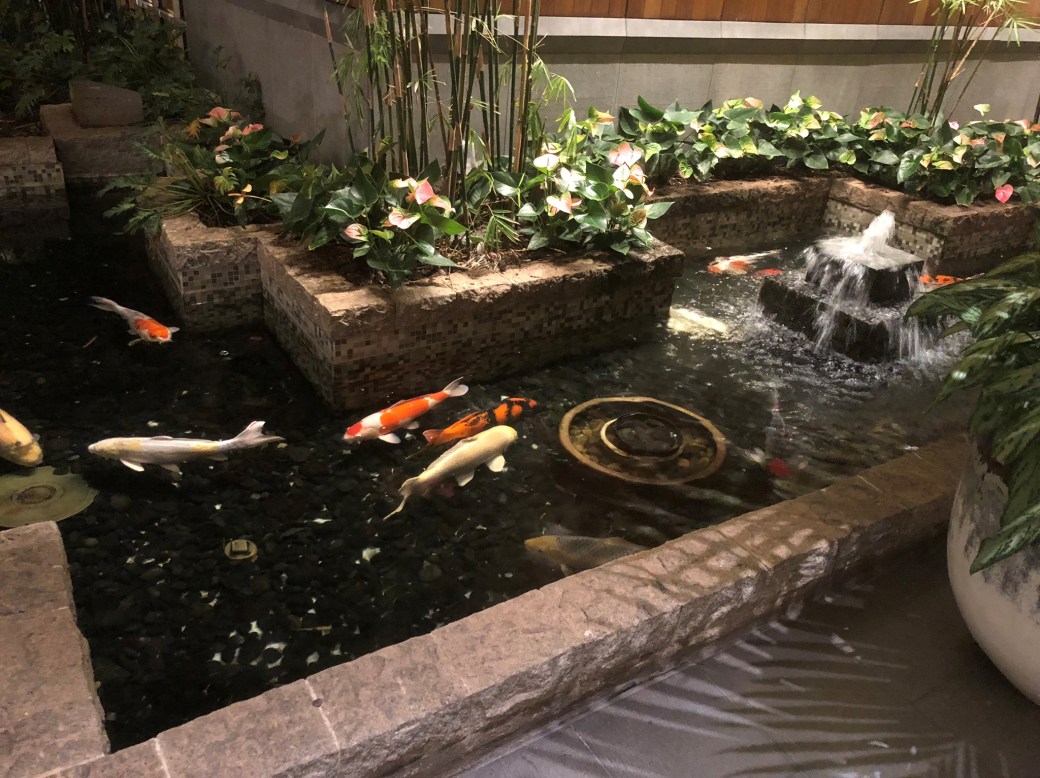

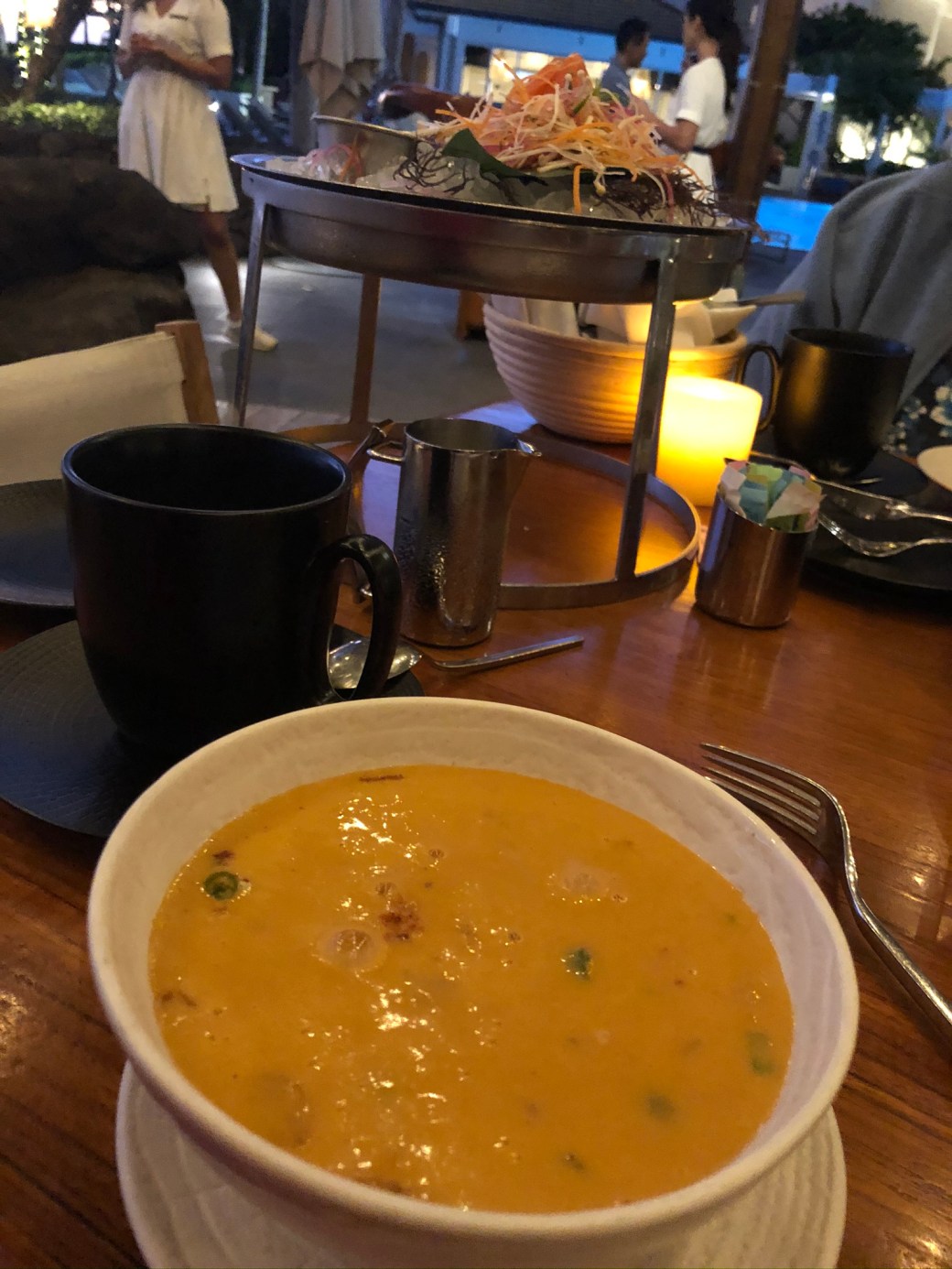
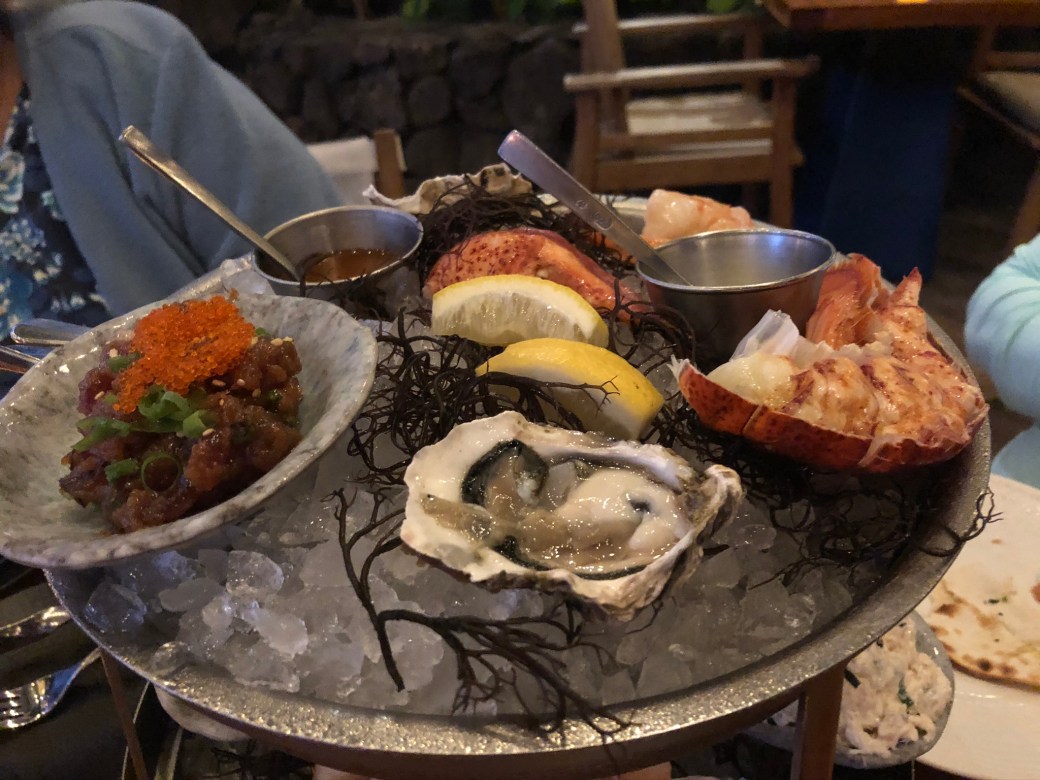
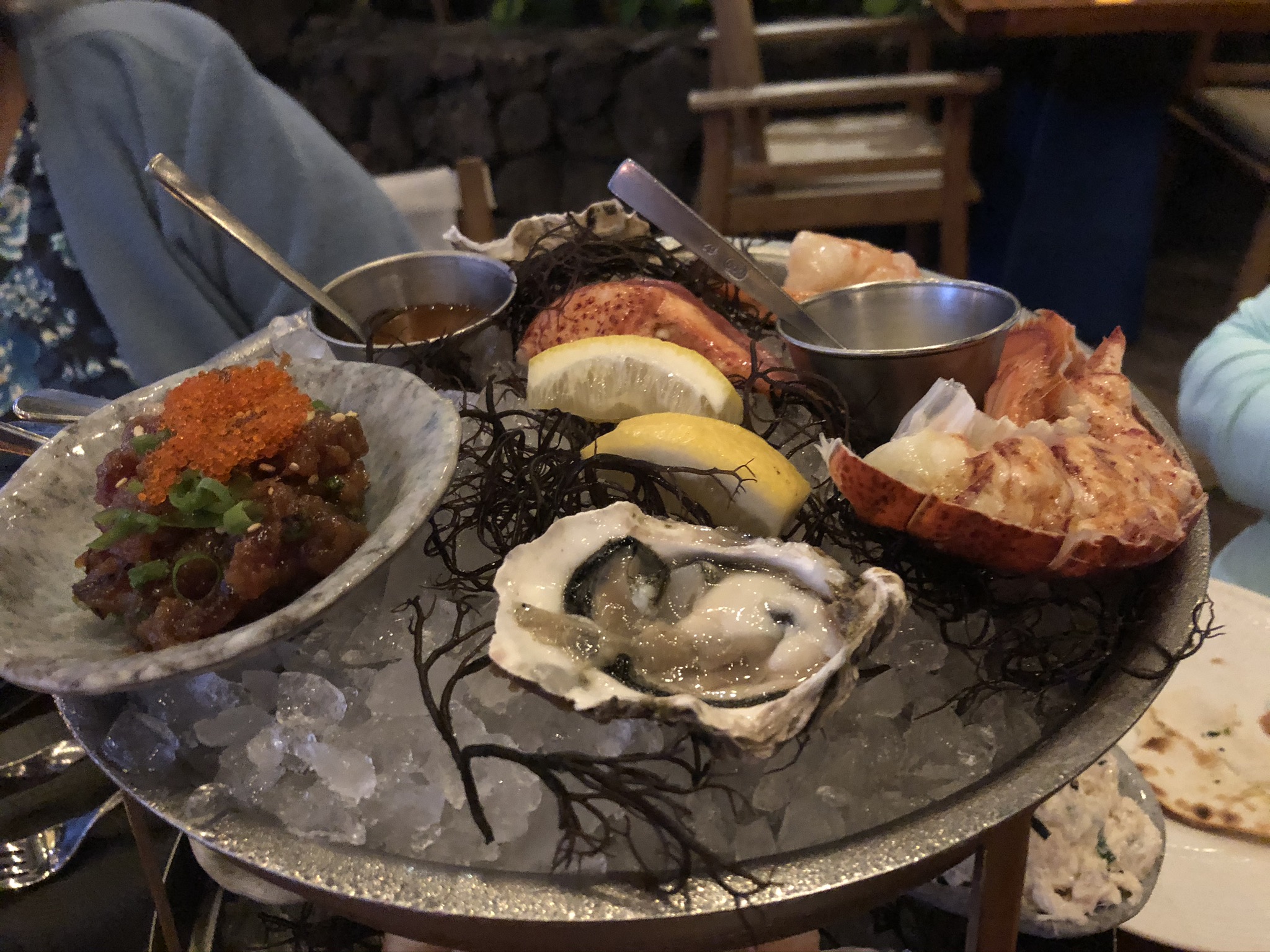
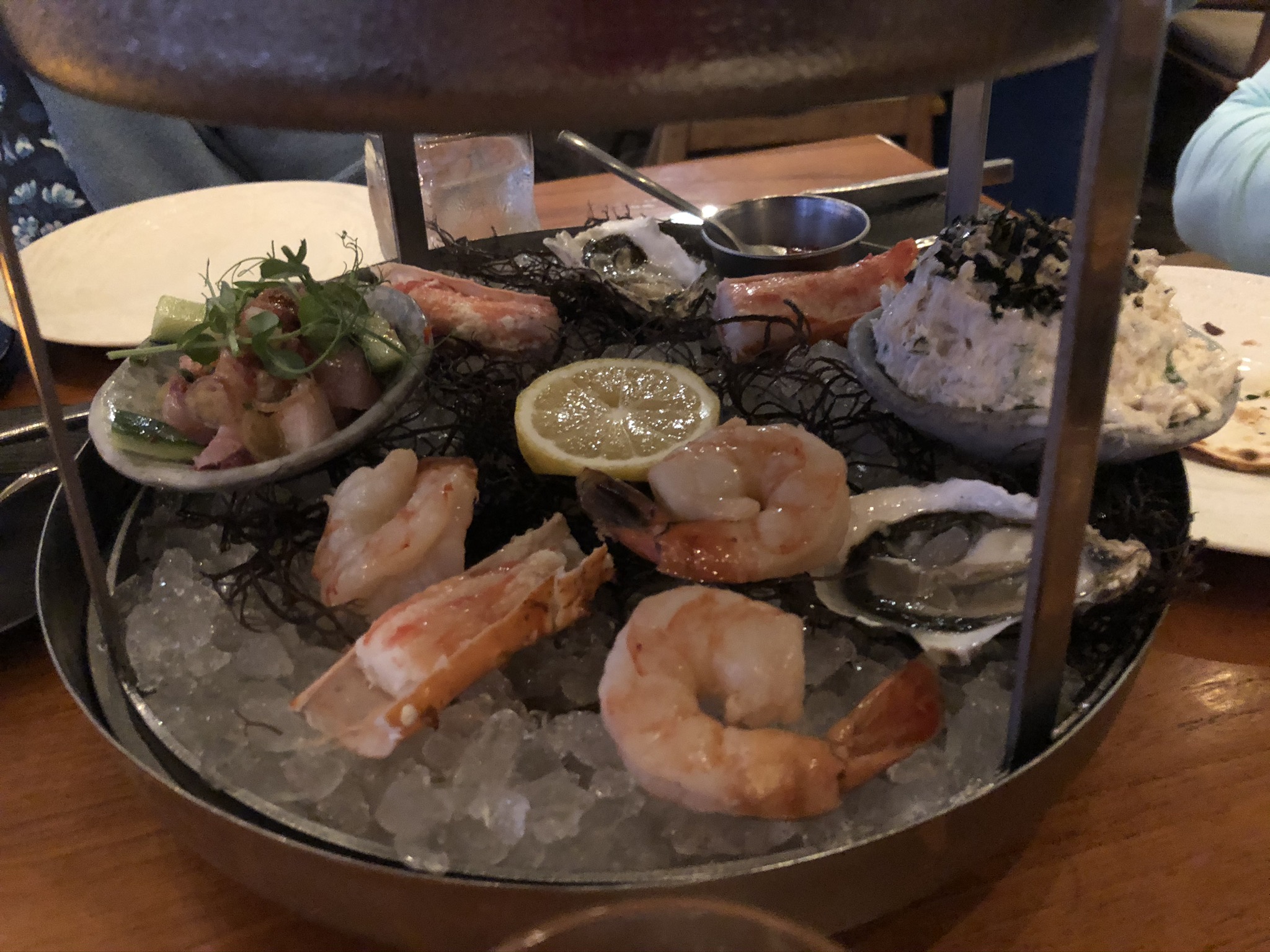
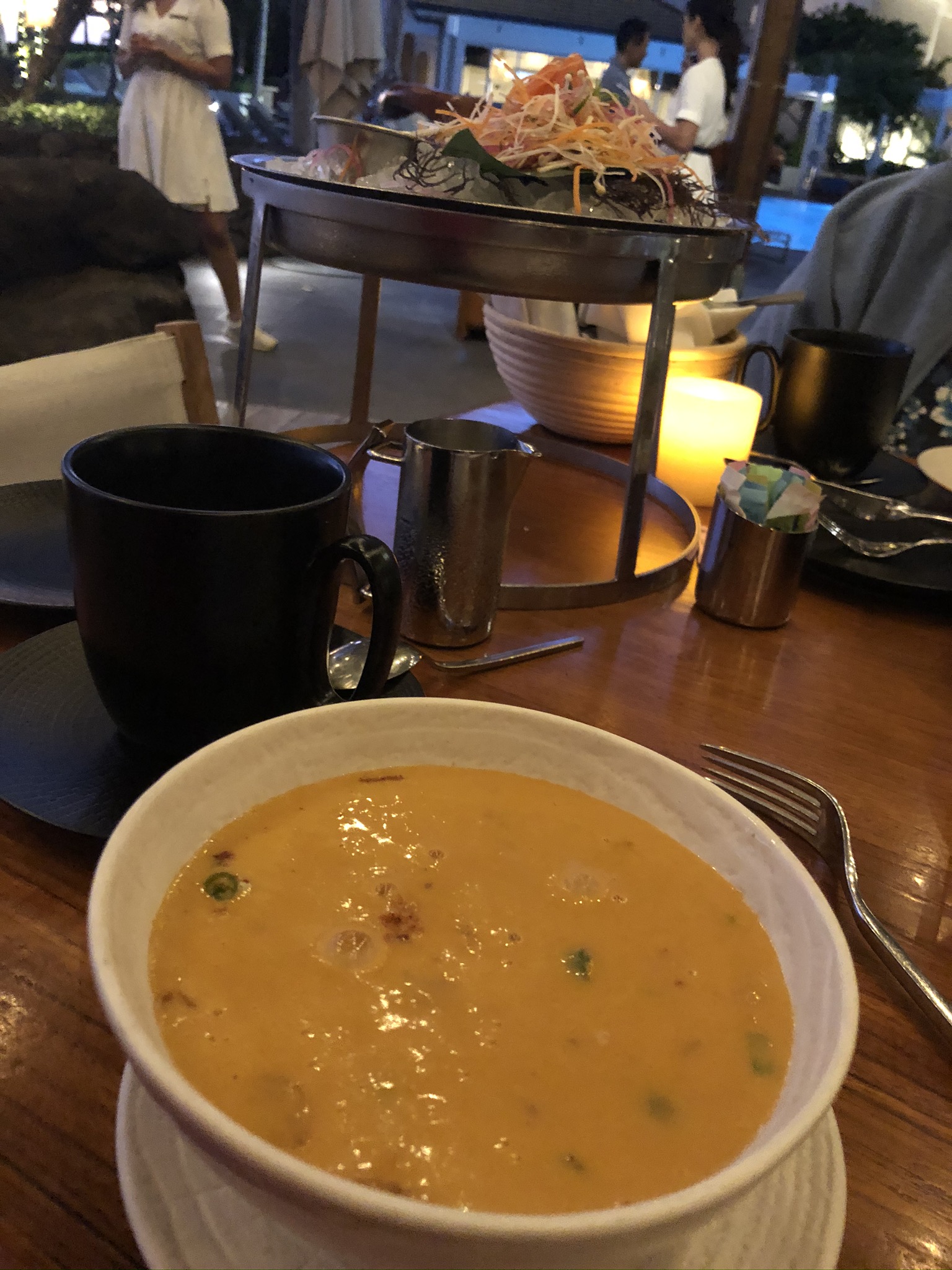
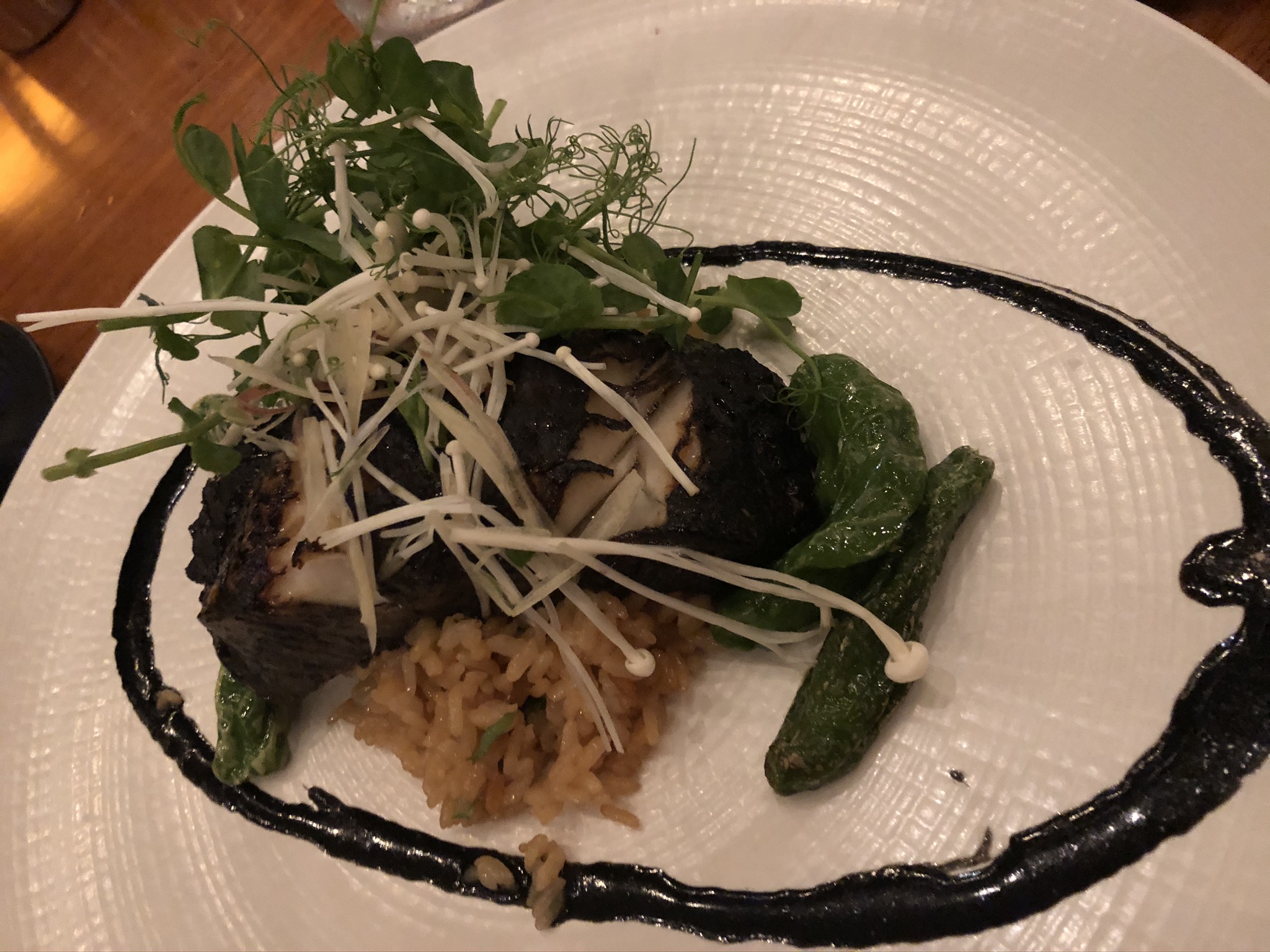

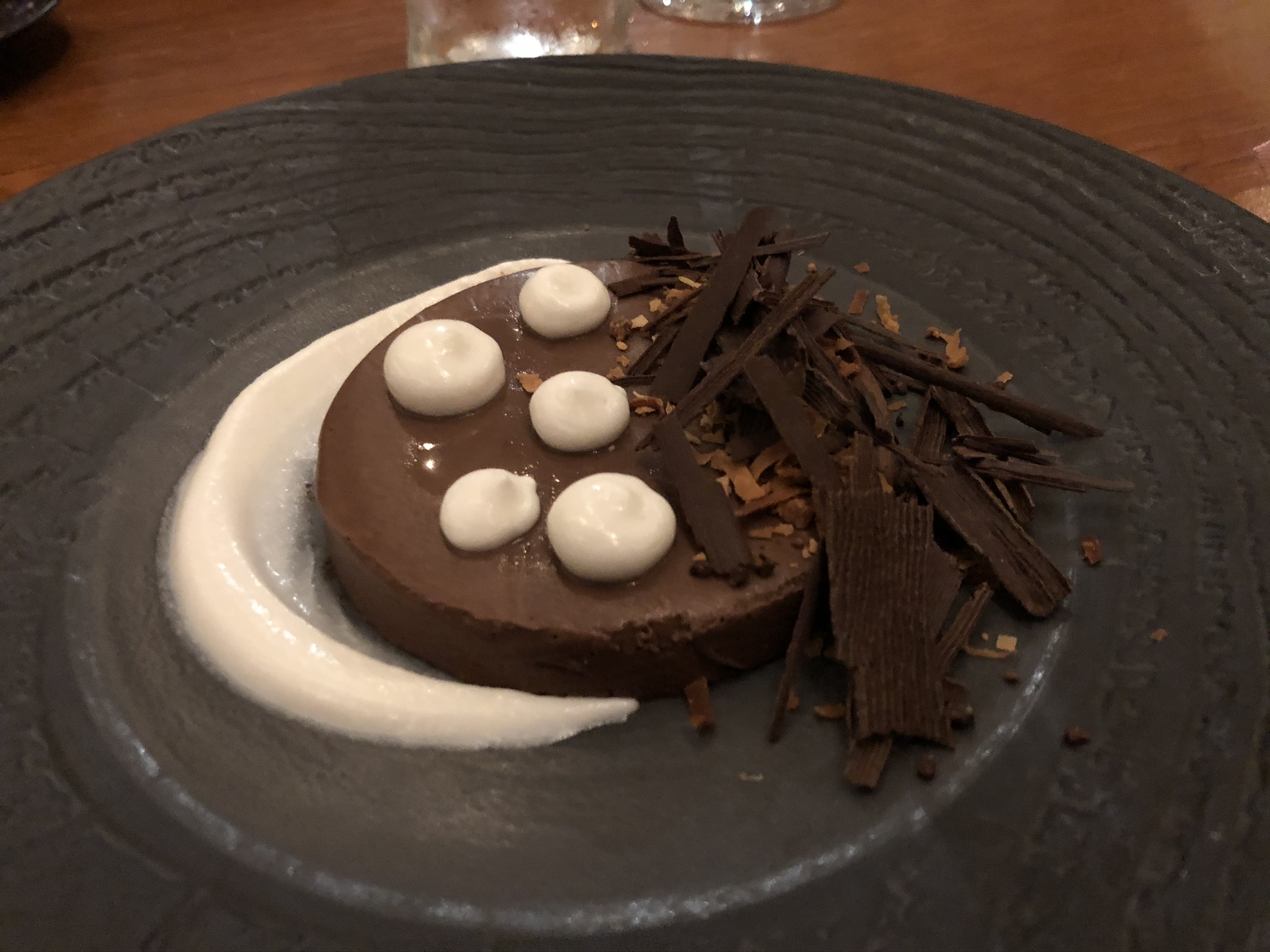

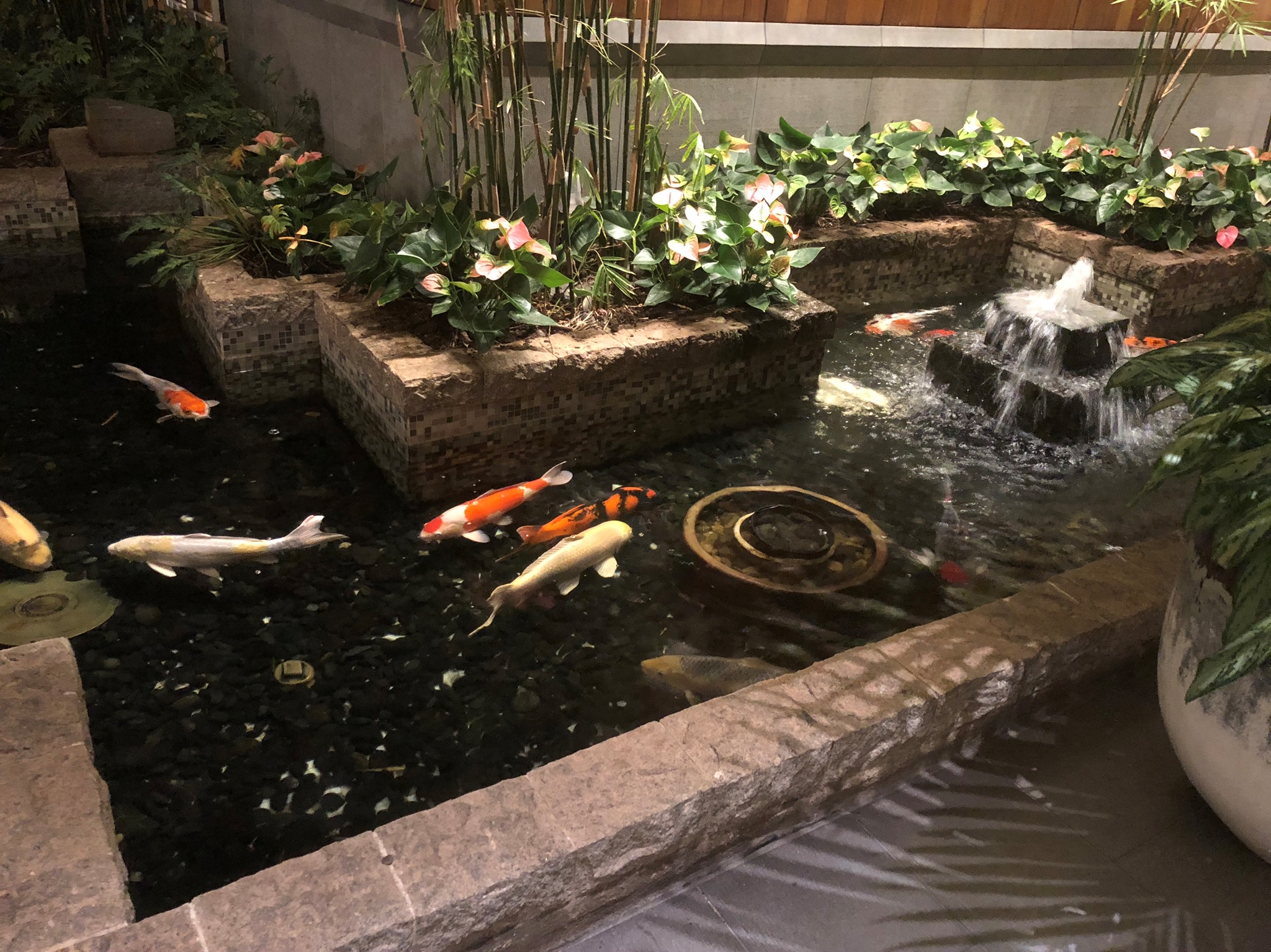
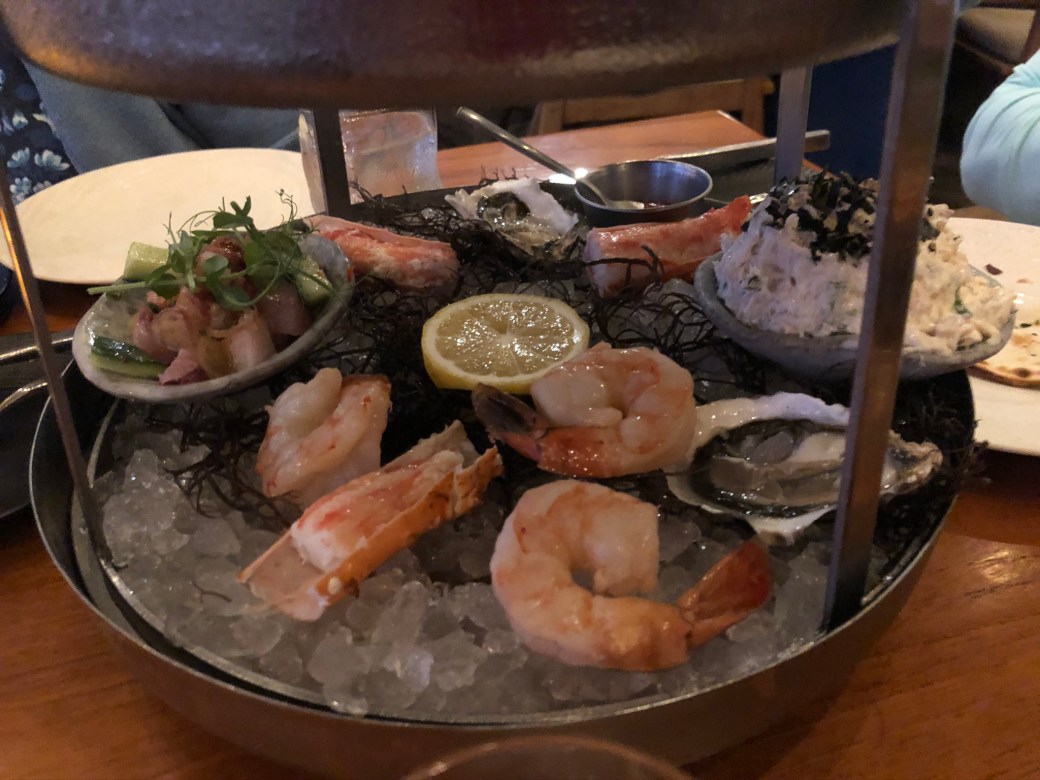
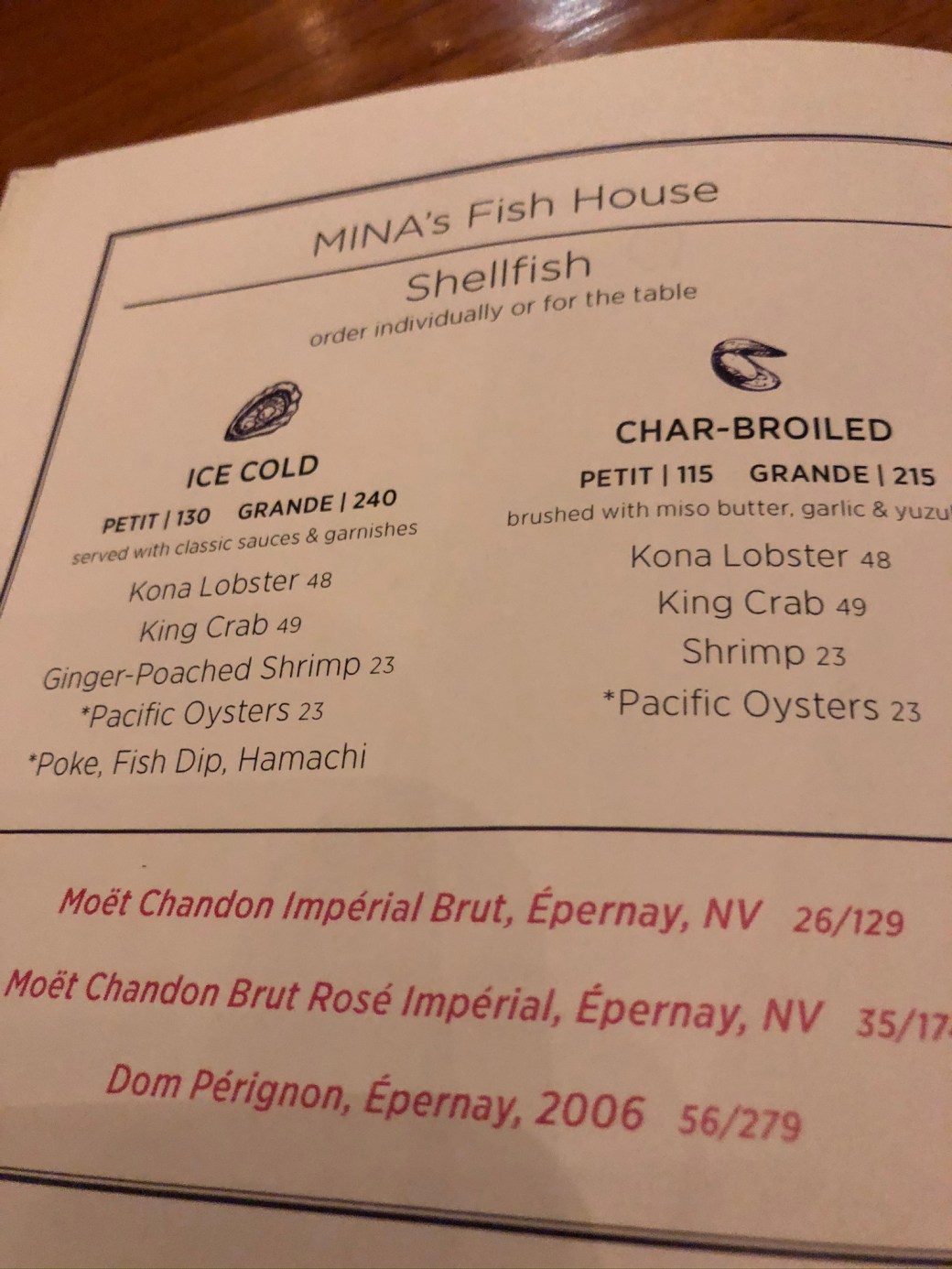

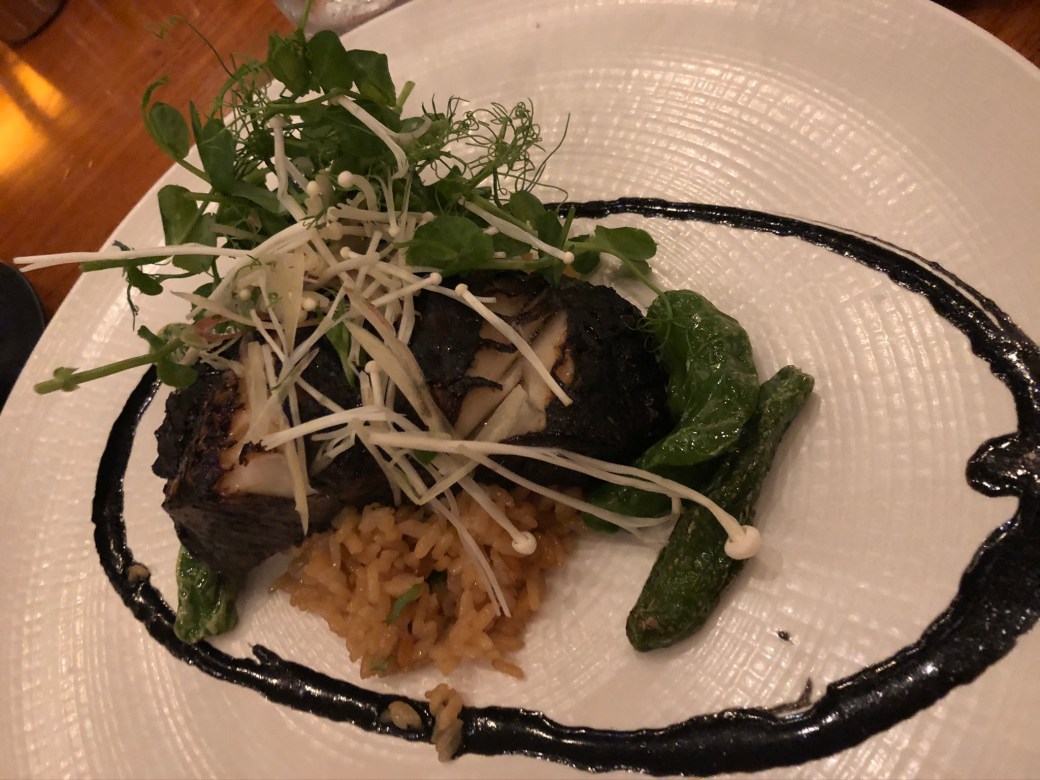
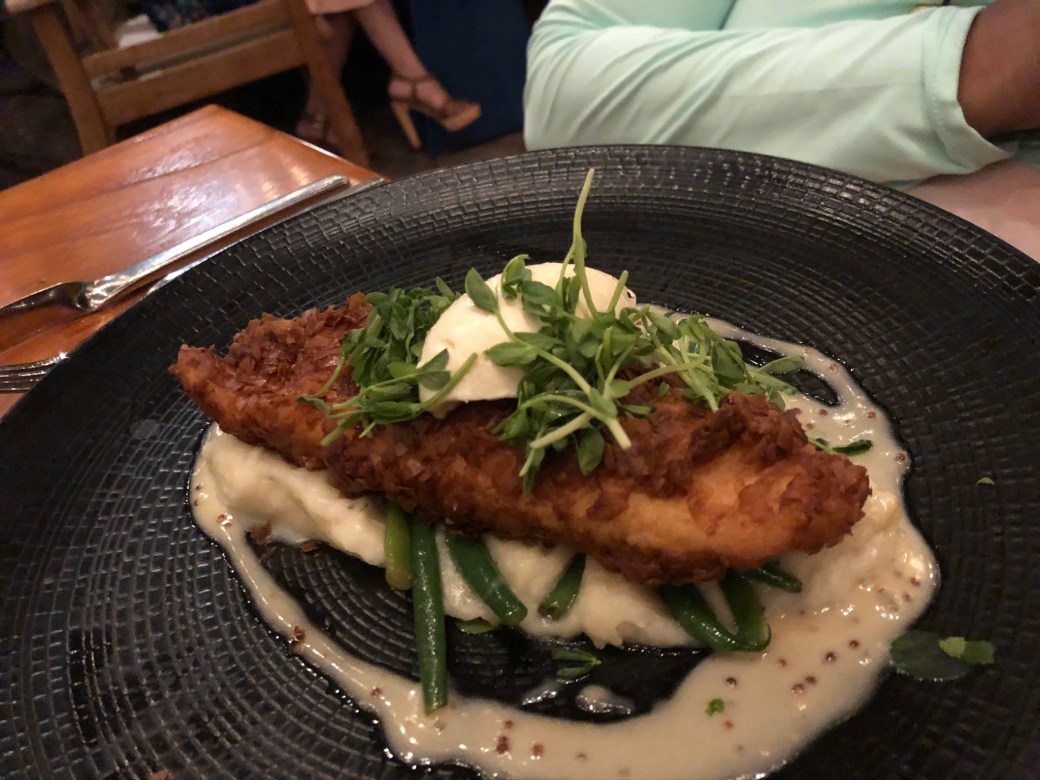
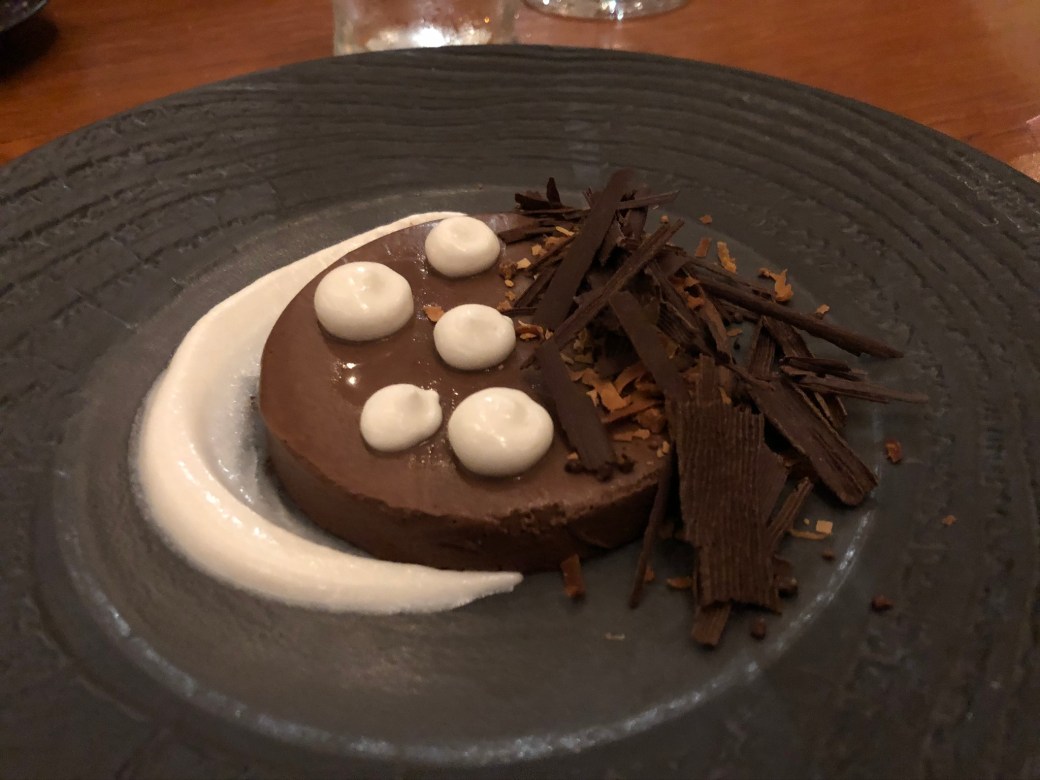


 datruthchronicles
You must be logged in to post a comment.