Sports
Frolicking
www.relive.cc/view/v1vj1wyroJq
Let Trixie off leash for the first time. She ran at least 2 miles to my 1 mile. Thank you Lord for this gift. In
AGING
PERFORMANCE VIDS
Great access to free videos at the end of the article. Love “free”…but…nothing is free. Gotta put in the work.
https://trainright.com/products/video-downloads/
How to Stop Getting Dropped
Getting dropped from cycling group rides is a probability all riders face. Sometimes it’s caused by inadequate fitness, but even fit riders get dropped when they have poor skills and habits. So, for the beginners and those we are welcoming back to group rides, here’s a guide to stop getting dropped.
Improve Fitness
No duh, right? Nonetheless, it has to be said. Fitness fixes most ills, or at least allows you to overcome a lot of mistakes. The ideal combination is great fitness and superior group riding skills, but if you’re fit you can at least stay in the group long enough to work on the skills.
Fitness is drawing riders back out onto the road (paved and gravel). It’s an unintended consequence of making indoor cycling more appealing. Cyclists who stopped going to the group ride or participating in events are riding more. As they get fit, they gain confidence and return to cycling group rides because they have the fitness to have fun. As membership numbers increase for virtual cycling platforms, indoor and outdoor cycling compliment each other more than ever.

> Get Faster With The TrainRight Membership
Improve your performance with structured cycling training plans, an app to analyze your progress, and professional coaches to answer your training questions.
START 14-DAY FREE TRIAL
Unfortunately, elevated fitness and rusty skills result in getting dropped. So, in addition to building fitness, remember the following strategies and skills.
Don’t Start Like a Bat Out Of Hell
In the real world it’s not wise to go full gas right from the first pedal stroke. In a race you may need to start hard, but that should be after a long warmup. When you pull out of the parking lot for the Sunday group ride, keep your ego in check. Don’t let adrenaline or too much coffee lead you to burn all your matches in the first 30 minutes. Be patient. There will be much better places to expend that energy.
Stop Trying To Be A Hero
In a weird replay of high school gym class, some cyclists returning to the group ride feel the need to prove themselves to the regulars. They take longer pulls, accelerate around people to close gaps that are already closing, and push the pace on climbs. First of all, you don’t have anything to prove. Anyone who makes you feel that way is saying more about themselves than about you. Nonetheless, the best way to make a positive contribution to the group is to still be there in the final miles. That’s when your ability to share the workload will be greatly appreciated.
Stay out of the wind
I don’t think people who regularly ride cycling group rides fully appreciate how much we take drafting skills for granted. It takes practice to get comfortable with sitting inches off someone’s back wheel, but it’s worth it.
If you’re out of practice, make a concerted effort to notice the wind direction and your position in the group. If you’re a beginner, find an experienced rider who is steady and predictable and stay on their wheel. For all riders, remember to get back into a draft quickly after taking a pull. Stop hanging yourself out in the wind!
To learn more about drafting and group ride etiquette, read Group Ride Etiquette and Skills Every Cyclist Needs to Know and Top 3 Advanced Cycling Skills for Group Rides and Races.
Learn to fuel on the go
You can’t wait to eat until the group stops for a rest, a coffee shop, or even a stop light. Many cyclists are uncomfortable retrieving, unwrapping, and consuming food from their pockets while moving, but it’s an important skill.
To make fueling while cycling easier, pre-open the wrappers on bars and chews a little bit. Gels can be a simple solution because they’re easy to open with your teeth and eat one-handed. If you don’t feel confident eating in the middle of the group, wait until you’re at the back – just don’t get dropped!
Don’t Waste Efforts
One final effort might cause you to get dropped, but hundreds of small behaviors set you up for that moment. Riders who are comfortable and confident in the pack stay off the brakes, maintain their momentum through corners, and avoid having to accelerate to close a gap by not letting it open in the first place. Drifting off the back on descents means you have to surge at the bottom to get back on a wheel. These small efforts add up until that one hard acceleration pops you off the back for good.
Group riding skills come back like, well… riding a bike. I think it’s helpful for riders returning to the pack to go in understanding the consequences of being aerobically fit and technically rusty. It’s also important for experienced group riders to welcome these riders back, which means exhibiting patience and humor instead of getting crabby.
By Chris Carmichael,
Founder and Head Coach of CTS
Share This Article

We’ve Made Our Entire 20+ Indoor Cycling Training Video Collection Available For Free.
Get The Videos Now →
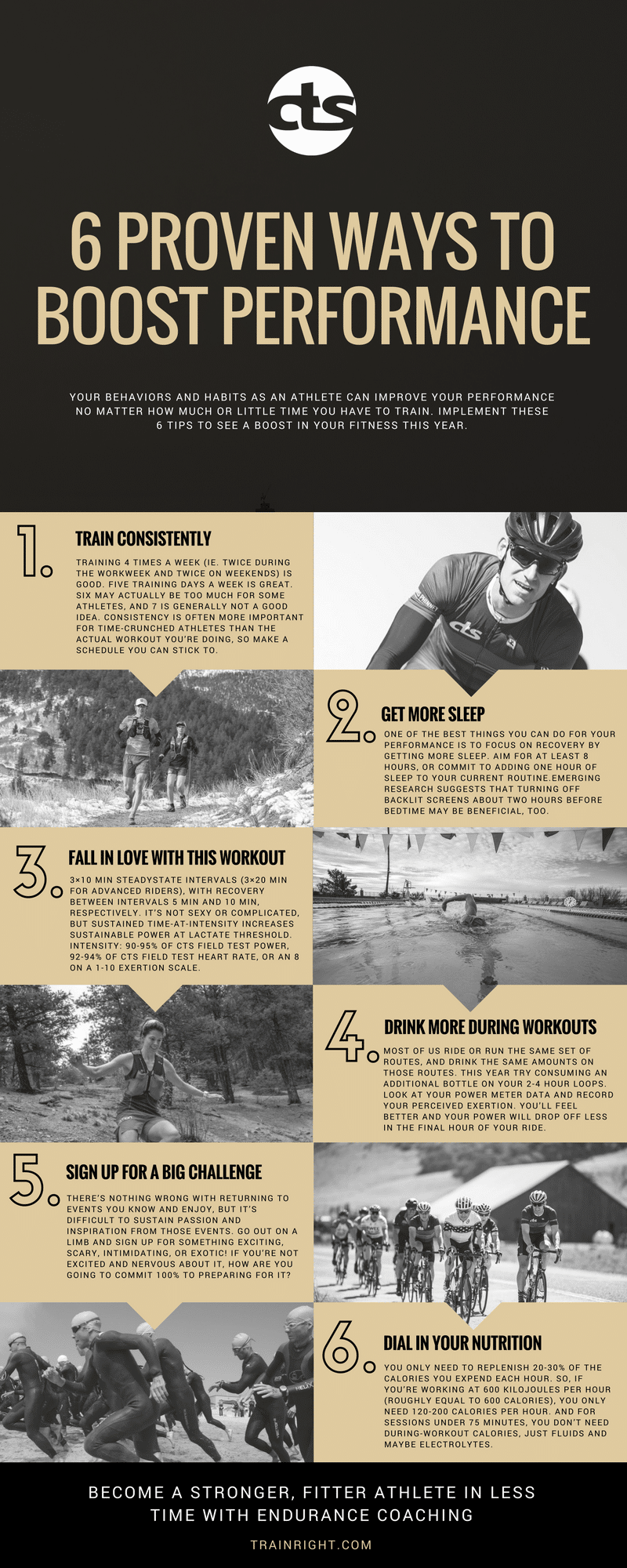
PERFORMANCE FOUNDATION
TREMEDOUS tips to serve as a foundation for life.
ZONE 2 TRAINING
The Link Between Zone 2 Training, Fat Burning, and Performance
How do easy Zone 2 rides actually better your performance? Here’s a peek into the physiology of aerobic training and fat burning.
At face value, riding steadily at a relatively easy pace would not seem to help your racing. How does riding for hours on end in Zone 2 replicate shredding the field on the finishing climb in a road race or making the winning break in a criterium? While it may not seem like it, endurance rides are a requirement for successful training. One of the most important adaptations that you get from endurance rides is the ability to use fat more efficiently.
Why Fat Burning Matters in Cycling Races
Apart from explosive one-off events such as track racing, short time trials, and 5 ks, efficient fat burning is a major key that sets great racers apart from the rest of the pack. In professional cycling, there are lots of riders who can do a 5-minute or 20-minute power test on par with Grand Tour contenders; however, in real races, these riders are often pack-finishers and domestiques. Why? Racing tactics and skills play a large part, but another major key is the ability to burn fat.
At lower intensities, you burn mostly fat and some carbohydrates. The harder you ride, you begin burning an increasingly higher percentage of carbs and a decreasing percentage of fat. At around your lactate threshold and beyond, you burn almost entirely carbohydrates. If there are not enough carbs in your system (i.e., glycogen), you simply won’t be able to reach these intensities. You have surely felt this at the end of a long ride. It’s unlikely you would be able to do a 5-minute best after four hours of hard riding because there’s just not enough left in the legs.
Thus, it’s not just the riders with the highest FTP or VO2-max that end up winning a lot of races, but also those who can efficiently utilize fat as a fuel source and therefore better preserve their glycogen stores. Research has shown a correlation between the intensity at which the aerobic threshold occurs and performance in competitive cyclists. In other words, the riders who could burn fat the most efficiently perform better. You, too, can teach your body to burn fat more efficiently so that you can spare glycogen for when it matters most.
The Importance of Zone 2 Training
If you want to train your body’s fat-burning capabilities, you simply must train at the intensity where you burn the most fat! The commonly known “Zone 2” lies just below your aerobic threshold — an intensity at which you are burning large amounts of fat. Beyond this point, your body will begin to utilize more and more carbohydrates and then begin to decline in metabolic efficiency. Zone 2, therefore, is where you should spend a lot of your time training if you want to improve your fat-burning capability.
As a coach, one of the most common problems that I find when working with new athletes is that they are riding too hard. Completing a proper Zone 2 ride requires lots of discipline. Many riders don’t like going slow and feel that if they aren’t riding hard, they aren’t getting any benefit. They often ride hard up the hills and coast on the descents.
Maximize Fat Burning With Aerobic Training
The result is that almost all of their training is actually above their aerobic threshold. These types of riders are great at burning carbs, but not so good at using fat as a fuel source. Many of them have the raw numbers to be competitive in races, but they simply aren’t efficient enough to realize their full potential. They run out of juice before the end and cannot replicate the hard efforts when they matter the most.
If you find that you struggle to repeat hard efforts or feel as though you can’t reach peak numbers at the end of a race, it may be worth examining your training habits. How much of your training time is spent in Zone 1 and 2? Do you tend to go above these zones on endurance rides or in-between interval sets?
A proper Zone 2 ride should feel relatively easy and it should be very steady. Flatter routes that avoid steep climbs are ideal for these rides. You should try to eliminate coasting and surging. Any surges are defeating the purpose of the ride and every time you coast, you are also missing out on reps for your legs. By slowing down a bit, you will teach your body to burn fat more efficiently. You will also be able to recover faster from your rides and have more energy to properly execute intervals workouts.
“No pain, no gain” isn’t always true. Yes, you must be willing to suffer through intervals, but you must also have the discipline to train easy, too. Easy miles serve a very important purpose and are not a waste of time. For some riders, the best way to get faster is to first slow down.
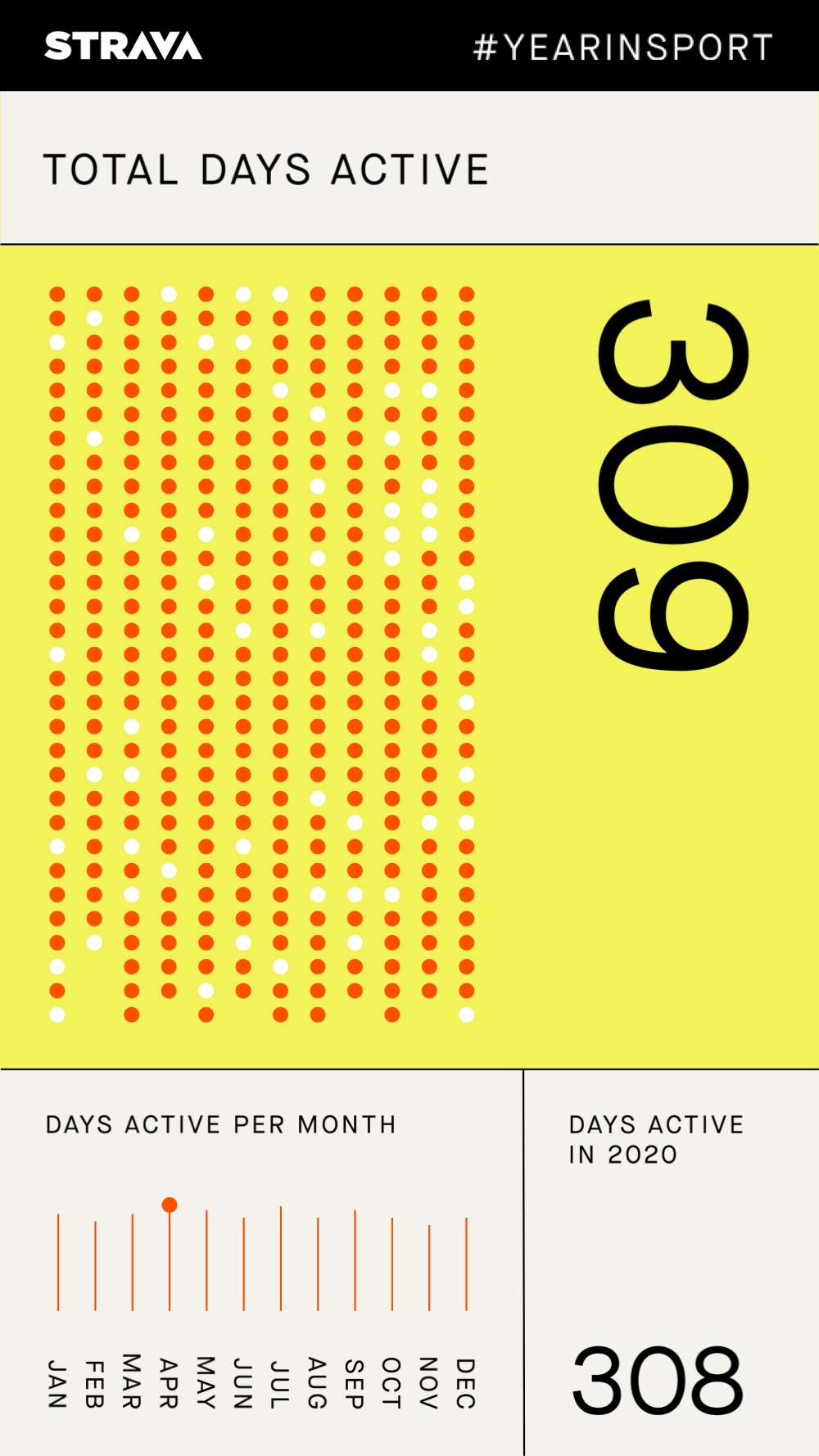
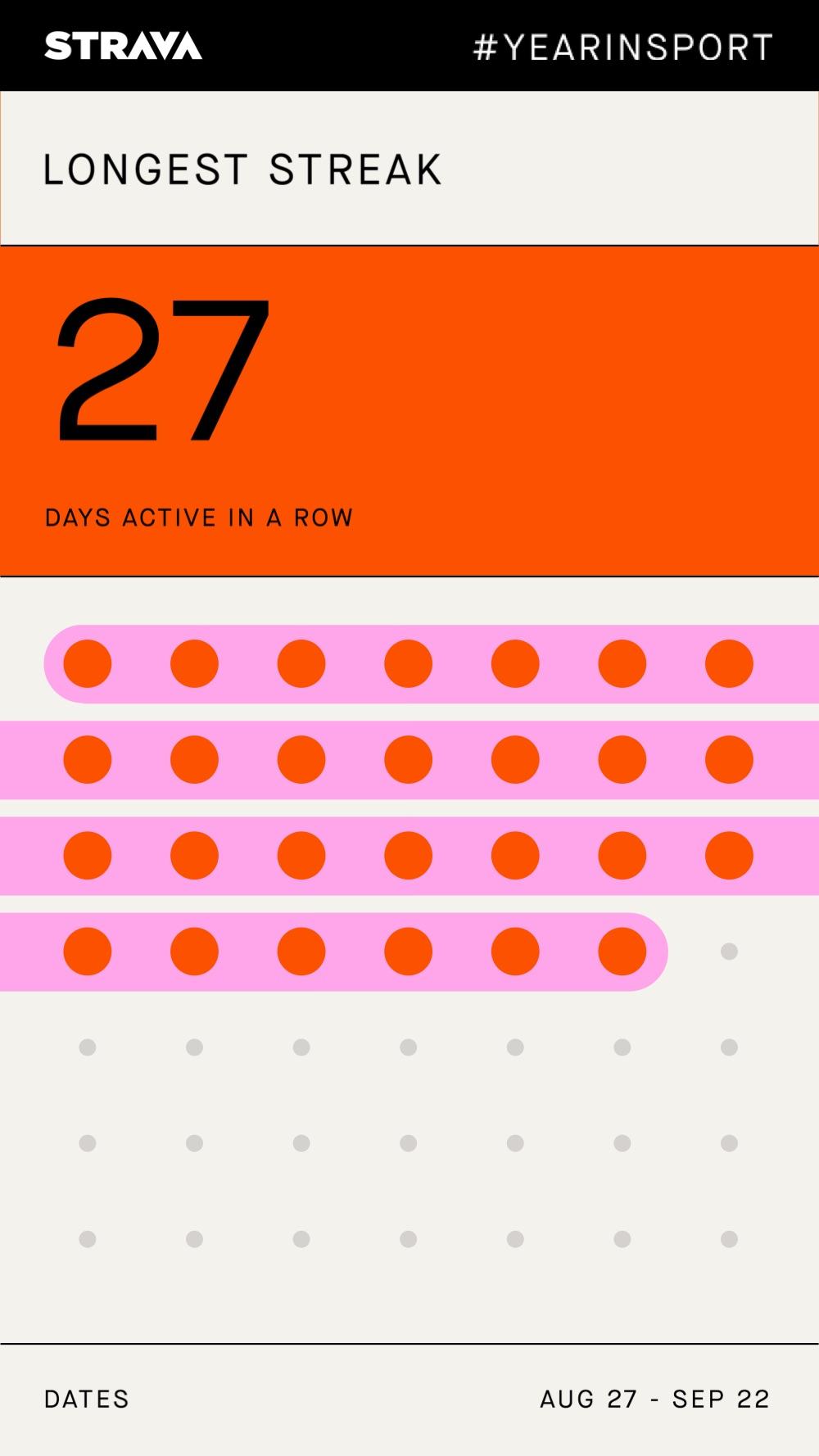
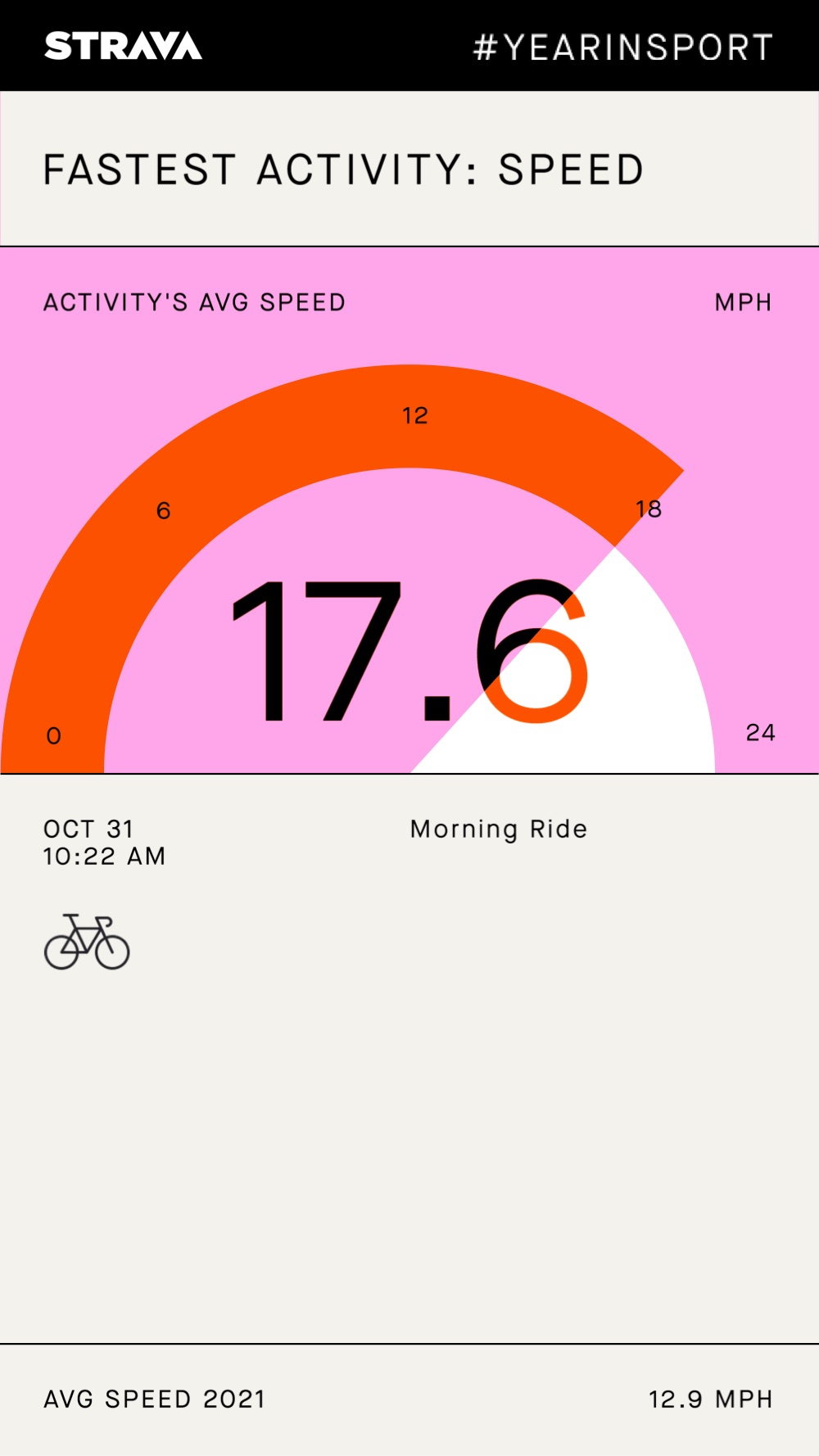
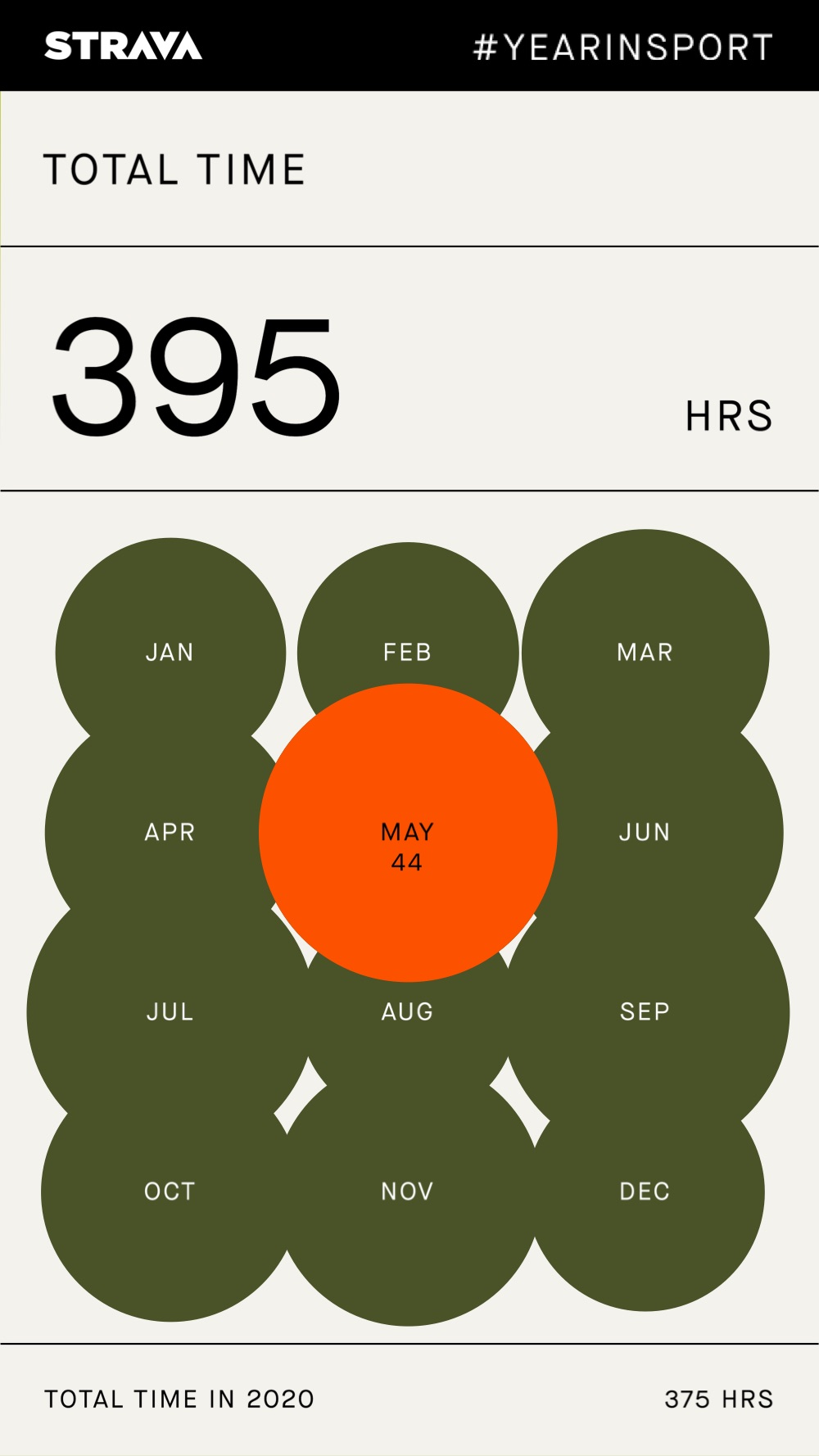
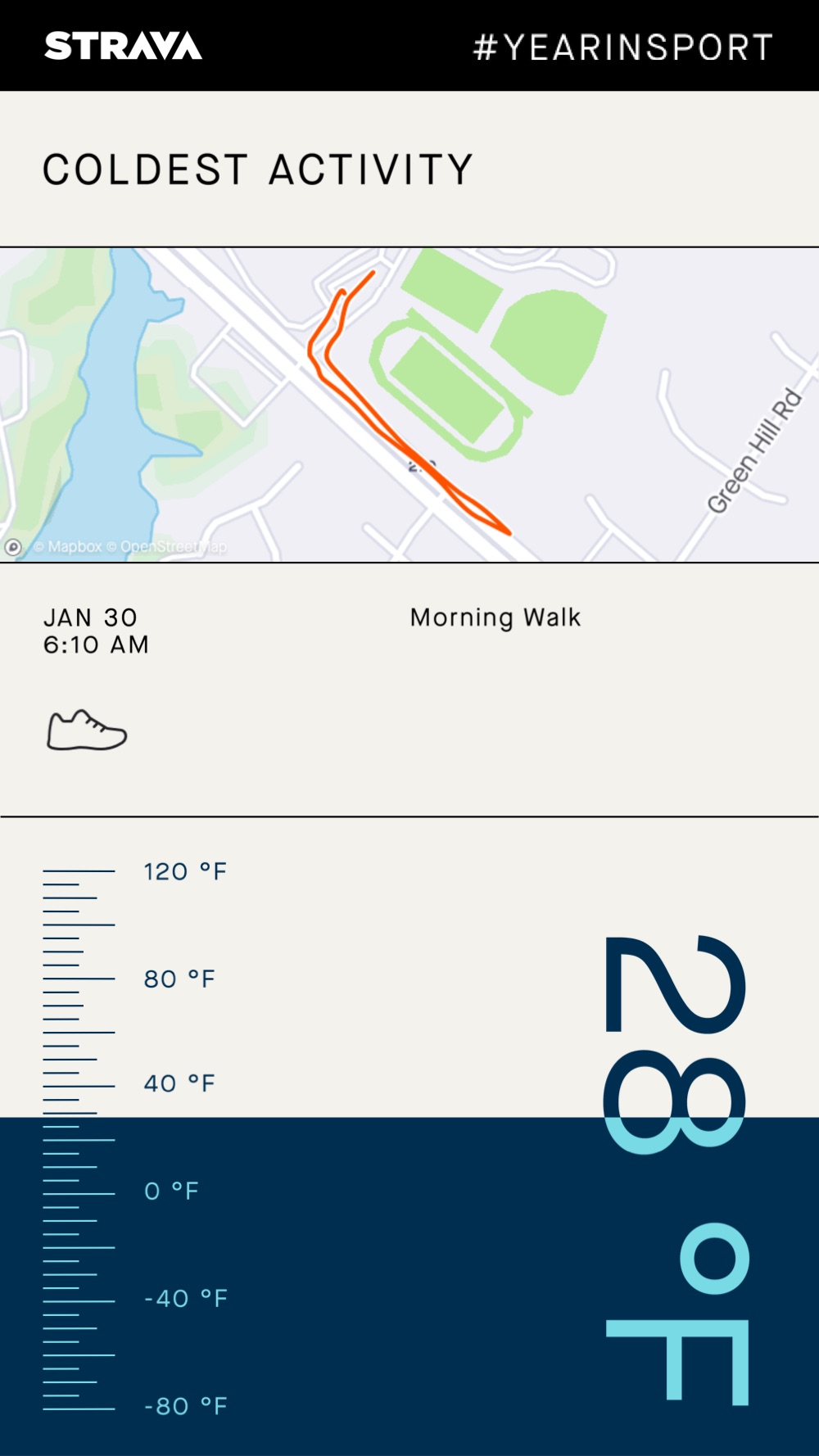
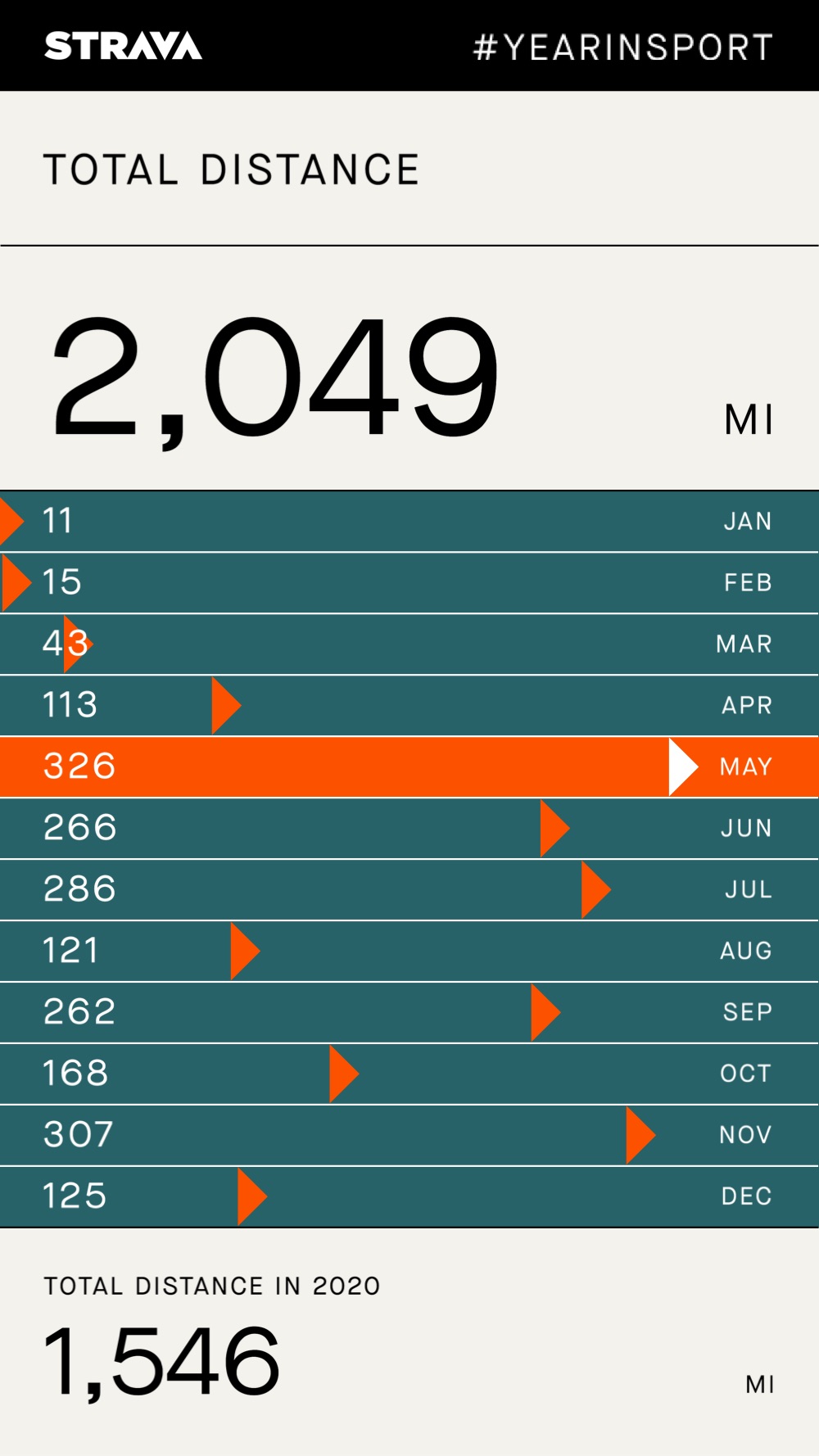
MY 2021 STRAVA YEAR


ALCOHOL AND EXERCISE
Read the comments after the article. Good workout info too.
PELETON LOOP
Wanted to create a Peleton Loop where I could utilize 2 of my favorite Peleton workouts featuring Olivia. Here’s the 2 20 minute workouts:
Post Christmas
members.onepeloton.com/share/workouts/eb151c723c6840d2b2c08b8a2ce495f2
Part 1 Listening to Olivia on 20 minute workout. Felt great!!
 datruthchronicles
You must be logged in to post a comment.