
Author: datruthchronicles

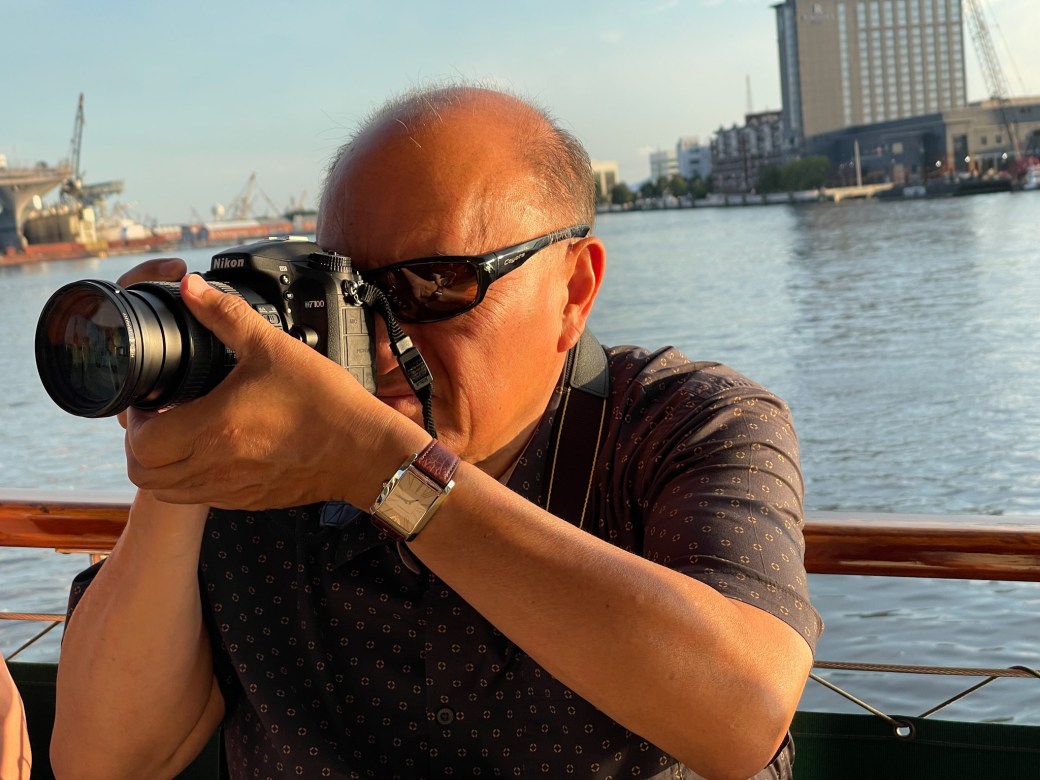
Back in Williamsburg
www.amazon.com/photos/shared/k5p1T_jISQ6F0KmAxELWIA.X7__4XoIx1wZ0TZupEkhvU
First ride after 2week vacation in Seattle. Felt really good and good to see David and Diane again
Over 140 years of dentistry in private practice
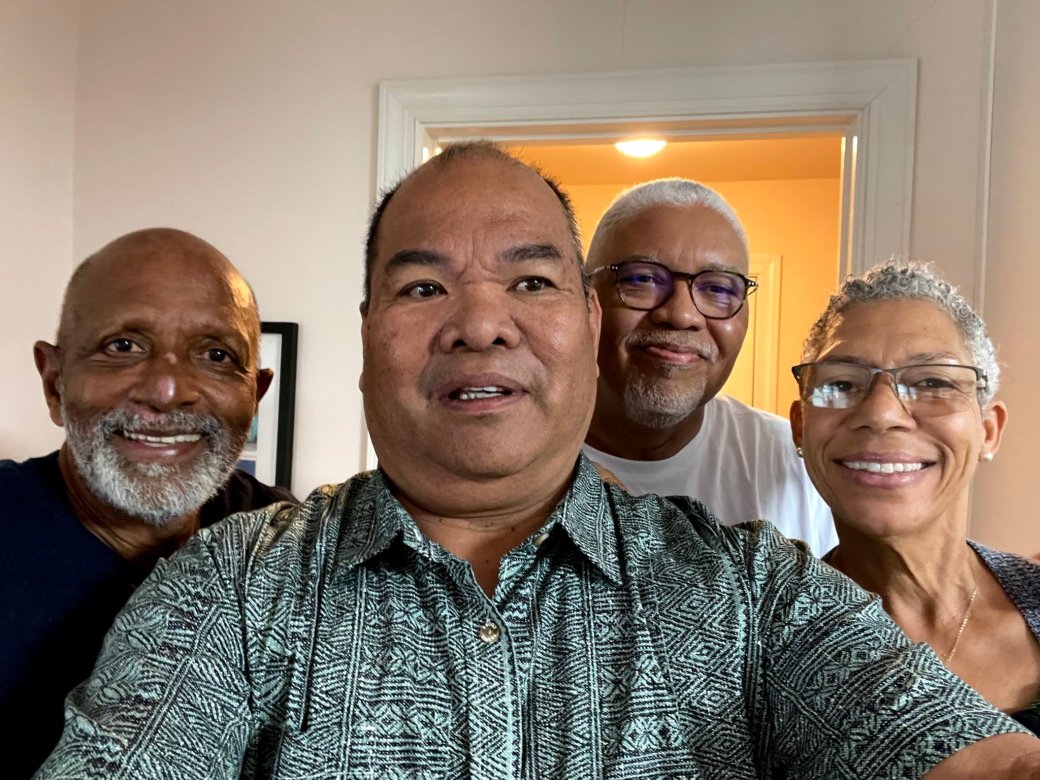
Met at Eddie’s home in Richmond on 8/14/2021
BACK TO TRAINING
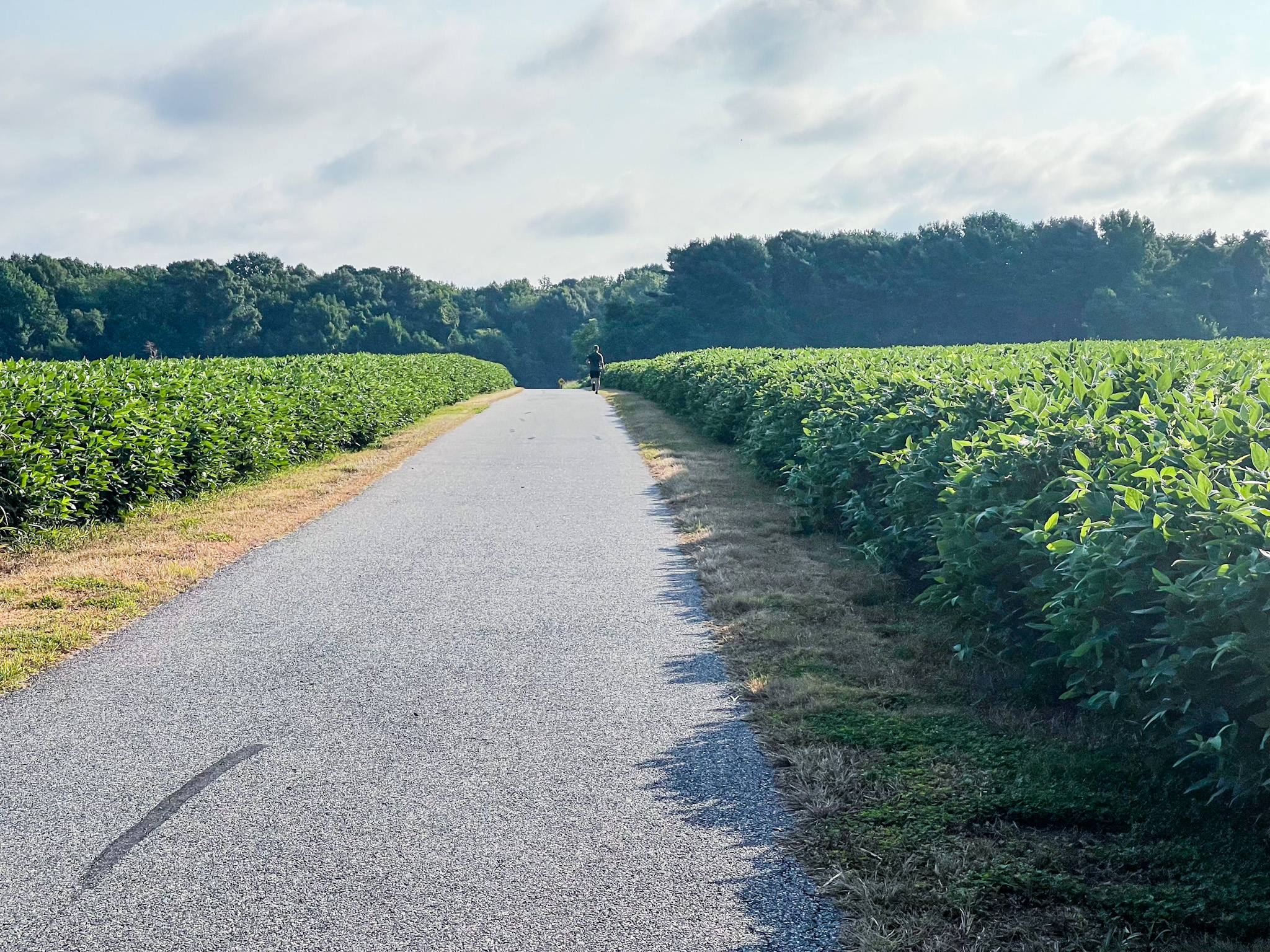
Back to training in Williamsburg
CRUZIN SEATTLE
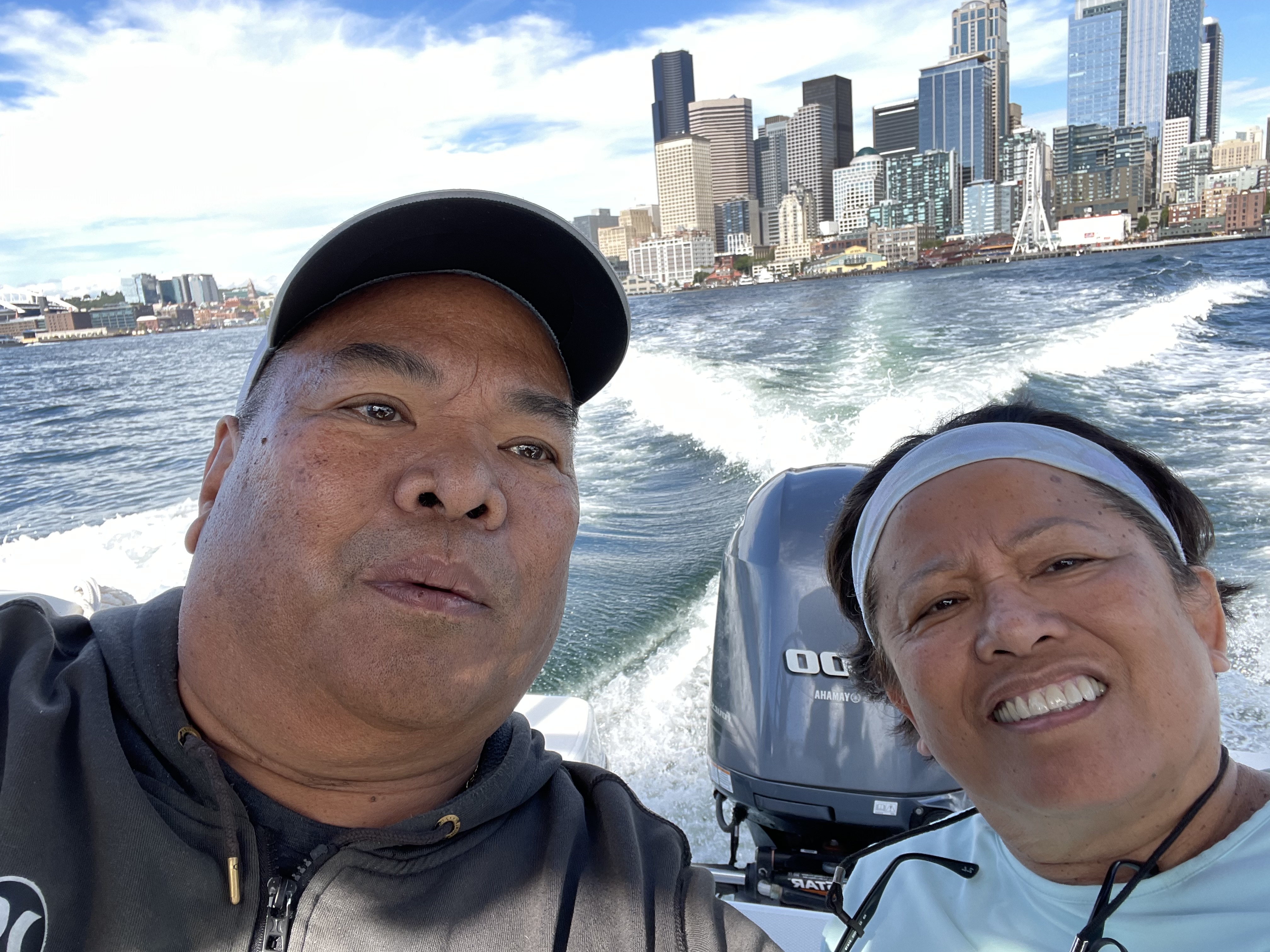
Cruzin Seattle with my one and only Love
Efforts to Root Out Racism in Schools Would Unravel Under ‘Critical Race Theory’ Bills

By Eesha Pendharkar — May 26, 2021 9 min read

Thousands of schools across the country may soon be forced to upend curricula, discontinue ethnic studies courses and anti-bias training for teachers, and shut down classroom discussions on Black Lives Matter and other race-related events like the insurrection at the U.S. Capitol and murder of George Floyd.
That’s because a wave of legislation in some states aims to severely limit how teachers and schools address race—a campaign that district leaders and experts say would squash a range of efforts to root out discrimination, bias, and racism experienced by students of color.
Such initiatives, they say, acknowledge in some way conscious and unconscious acts of racism by individuals and the government.
But they could now be perceived as breaking the nascent series of laws, which have been proposed in 15 states and now passed in four.
The effects are immediate. Right now, in Oklahoma, schools don’t know if and how they can teach about the Tulsa Race Massacre under the state’s new law. Exactly 100 years ago, a white mob attacked a prosperous Black business district and neighborhood, killing hundreds of Black residents and burning down homes and businesses. It was one of the worst racial terror attacks in U.S. history.
Conservative lawmakers and proponents say the bills are necessary to prevent the teaching of “critical race theory,” a four-decade-old legal and academic framework that examines how racism has shaped the U.S. legal system and other institutions. They argue that the concept pits people of color against white people, is demoralizing for white children, and divides the country into “oppressors” and “the oppressed.”

But experts say the laws ultimately will unravel years of administrators’ fitful efforts to improve educational opportunities and academic outcomes for America’s children of color, who today make up the majority of the nation’s student body.
“This is one of the most ludicrous things that I personally have experienced in my lifetime, is that you actually have lawmakers who are trying to outlaw the teaching of structural racism,” said Prudence Carter, dean of the Graduate School of Education at the University of California, Berkeley.
“The idea that you can’t even teach that means that you can’t teach the history of this country. You can’t teach the then, the now, nor the tomorrow.”
The Dallas Independent School District has hired attorneys to figure out how to lawfully retain several expensive efforts launched in recent years to better support the learning and academic performance of its Black students.
If the proposed Texas bill that would restrict how teachers discuss race in the classroom becomes law, Superintendent Michael Hinojosa said he will sue. The measure has been approved by both chambers of the Texas legislature.
“…We would have to engage with other districts throughout the country that may be facing the same issue in red states,” Hinojosa said. “And there is a desire to move forward to try to challenge this in the courts. We’re not at that point yet. But we’re not going to be afraid to enquire if the law passes.”
A state will withhold money from districts that teach about white privilege
This spring, Republican lawmakers in several states introduced bills that aim to restrict what schools can teach about racism and sexism as part of a national effort to ban critical race theory. The bills have gained traction in at least a dozen states, and have been signed into law in Idaho, Iowa, Oklahoma and Tennessee.
Tennessee’s law will withhold public funding from districts that teach their students about white privilege. Arizona’s bill threatens to fine teachers $5,000 if they discuss racism in the classroom.
Many of the bills, including Texas’ and Oklahoma’s, use the same language to explain what teachers can’t teach, including that “one race or sex is inherently superior to another race or sex,” and that someone by virtue of their race or sex, is “inherently racist, sexist, or oppressive, whether consciously or unconsciously” and “bears responsibility for actions committed in the past by other members of the same race or sex.”
“America is not a fundamentally racist country,” Oklahoma Attorney General Mike Hunter said in a statement. “And encouraging more racism and discrimination is not the solution to racism.”
Districts confront opportunity gaps for students of color
Students of color, for a variety of historical and contemporary reasons, have lower test scores, lower graduation rates, and lower participation in gifted education compared to their white peers. District administrators in recent decades have taken on a series of controversial and expensive race-conscious strategies to redesign curricula to be more culturally relevant, and make Black, Latino, Native American, and Asian students feel more welcome.
That includes forming diversity, inclusion and equity committees, hiring equity officers, incorporating more voices of color into the curriculum and offering ongoing teacher training to root out unconscious bias, which experts argue leads to the disproportionate disciplining of students of color.
Administrators overseeing rapidly diversifying schools say they can no longer ignore overall lagging academic outcomes and a growing pile of evidence that shows that students of color are systemically denied the same privileges offered to white students.
“Research shows that teaching a more inclusive curriculum significantly impacts standardized test scores,” said Amanda Vickery, an assistant professor of social studies and race in education who teaches a course on critical race theory at the University of North Texas and trains teachers on how to incorporate Black women’s voices into curriculum. “But not only does it raise student achievement and helps them do better in schools, but it makes them feel better when they see themselves in positive ways.”
The Black Lives Matter movement in recent years has spurred on many of these efforts as parents of color have demanded that teachers more readily acknowledge in the classroom students’ violent encounters with the police and other forms of institutionalized racism.
In 2017, Dallas’ school board established a racial equity office, which compiles and publishes data on disparities between student groups, trains teachers on ways to better engage with families of color, and leads districtwide discussions about racism inside and outside classrooms.
Then, last summer, after Black Lives Matter protests galvanized the nation, Dallas’ school board passed a resolution that explicitly acknowledged its role in allowing Black students, who make up almost a quarter of the district’s student body, to be suspended at a significantly higher rate than white students for the same infractions, to be disproportionately diagnosed with special needs and regularly steered away from Advanced Placement, honors and gifted and talented programs.
The Texas bills, if signed into law, would upend almost all of the district’s work, Hinojosa said.
In addition, the district would have to reengineer its entire professional development plan, most of which regularly acknowledges unconscious bias and institutionalized racism, and discontinue its Mexican American studies and Black studies courses (the bill says that a teacher must explore historical “topics from diverse and contending perspectives without giving deference to any one perspective”).
“In Texas, when you teach the Alamo, you teach it from the perspective of people who were in control at the time, not from the Latino perspective. Same thing when you teach about slavery,” Hinojosa said. “So we don’t apologize for teaching about history from the African American or Latino perspective, or the Asian American perspective.”
A day before the Texas house of representatives approved the bill, Dallas’ school board passed a resolution condemning the bill in a special meeting.
“I’m very proud of this district, not only in style but in the substance of where we’ve gone in our racial equity initiative, and much of that has been due to the strong, committed direction and leadership of the school board,” Hinojosa said at the meeting. “This is something that you should be very proud of, and it’s very much in jeopardy at this point.”
Can schools teach about the Tulsa Race Massacre?
In Oklahoma, administrators this week are questioning whether they can even mention in class the centennial of the Tulsa Race Massacre in which a white mob, with the assistance of the local government, murdered hundreds of Black people and burned down dozens of businesses.
Oklahoma’s law, which was passed on May 7, bans from the schools’ curriculum the idea that a person “by virtue of the individual’s race or sex, is inherently racist, sexist, or oppressive, whether consciously or unconsciously,” among other concepts.
Members of a statewide commission set up in 2015 to educate residents about the massacre said the law would undermine their work and moved to kick Gov. Kevin Stitt, a Republican, off the task force after he signed the bill.
State schools Superintendent Joy Hofmeister said that schools will still be required to teach students about the Tulsa Race Massacre.
“Schools will still teach all of the academic standards, including the Tulsa Race Massacre,” she said. “I am troubled by the message this bill sends, especially at a time when we’re preparing to observe the centennial of such a tragic and horrific event in our state’s history.”
Cecilia Robinson-Woods, the superintendent of the Millwood Public Schools in Oklahoma City, runs a school district of 1,000 students, more than 90 percent of whom are Black.
When her students come to school with questions about the racism and discrimination they witness in the world, Robinson-Woods said she wants teachers to be able to answer them.
“Schools emulate communities,” she said. “So if these things are happening in the communities, of course conversations are happening in the schools. It would not stop my children from coming in wanting to have the conversation, as much as it will probably hinder some teachers’ responses.”
Throughout this school year’s turbulent news cycle in which clips of Black people being shot and killed by police were all over social media and regularly played on the news and politicians spouted racist ideas about people of color, Robinson-Woods sent frequent emails to teachers, most of whom are Black, asking them if they would be able to discuss the day’s events without getting emotional.
But while her school district will not stop discussing racism in the classroom, she is worried that majority white districts in Oklahoma and beyond might give up on that work now.
“What I believe is that the work regarding cultural reckoning, cultural responsiveness, equity inclusion will decrease,” she said. “And that it could definitely stifle the growth of minority students who might feel more disenfranchised, just based on a teacher’s approach.”
Eesha Pendharkar FOLLOWStaff Writer, Education WeekEesha Pendharkar is a reporter for Education Week covering race and opportunity in education.
Related Tags:RaceEquityHistoryOpportunity/Achievement GapState PolicyState LegislaturesOklahoma
A version of this article appeared in the June 02, 2021 edition of Education Week as Efforts to Root Out Racism in Schools Would Unravel Under ‘Critical Race Theory’ Billshttps://disqus.com/embed/comments/?base=default&f=epe&t_i=00000179-8a44-d1b3-ab79-9e5d0f8d0000&t_u=https%3A%2F%2Fwww.edweek.org%2Fleadership%2Fefforts-to-root-out-racism-in-schools-would-unravel-under-critical-race-theory-bills%2F2021%2F05&t_e=Efforts%20to%20Root%20Out%20Racism%20in%20Schools%20Would%20Unravel%20Under%20%26%23×27%3BCritical%20Race%20Theory%26%23×27%3B%20Bills&t_d=Efforts%20to%20Root%20Out%20Racism%20in%20Schools%20Would%20Unravel%20Under%20%E2%80%98Critical%20Race%20Theory%E2%80%99%20Bills&t_t=Efforts%20to%20Root%20Out%20Racism%20in%20Schools%20Would%20Unravel%20Under%20%26%23×27%3BCritical%20Race%20Theory%26%23×27%3B%20Bills&s_o=default#version=a5921af07b365f6dfd62075d2dee3735
Chris Mensalves
A scan of an illustration by Jeff Hanada that accompanied Gene Viernes’ story on Chris Mensalvas in May 1978.
The following is a republication of a story by activist Gene Viernes that originally ran in the International Examiner in May 1978 (Volume 5, No. 4, Pages 6-7). Viernes tells the story of Chris Mensalvas, the real life inspiration for the character of Jose in Carlos Bulosan’s “America is in the Heart“.
A little man supporting himself with a cane was speaking to a crowd in Hing Hay Park. It was May Day, International Workers Day, 1975. He was the same man who had spoken at a University of Washington Asian American Studies class, the 1976 Filipino Peoples Far West Convention labor workshop, and many other community events. This man’s name was Chris Mensalvas.
He captivated the audience with his projecting voice and unique style. He captivated them with what he had to say. He was only 5 feet tall, barely able to stand, but as sharp as any of the spectators in the crowd.
Chris would often tell stories of the cultural barriers the manongs faced when they first arrived in this country. He told of an encounter he and his friends had with an American restaurant menu written in English. What were these American foods: hash browns, sunnyside-up eggs, pork chops, mashed potatoes, meat loaf, and hotcakes. Chris and his friends chose hotcakes. For dinner, still afraid, still intimidated by the awesomeness of America, they chose hotcakes again. Then again, for breakfast, lunch, and dinner. Soon, Chris said, “the cook quit. Too many hotcakes.”
First Encounters
Chris told of the manongs’ first encounters with American hotels. They had slept on the floor the first night. In the morning, Chris had complained to the manager about the lack of beds. The manager laughed at the newly-arrived immigrants. The beds, the manager said, were wall beds, to be folded down when they were needed.
Young people will remember this man for his stores of hotcakes and beds.
To the manongs in the crowd he was more than the man who told those stories. To the manongs, he was an inspiration: one of their kababayan, one of their former leaders. He symbolized everything they had lived through and fought for.
But this man, Chris Mensalvas, died on April 11 of smoke inhalation suffered from a fire in his Downtower Apartments room.
He was born in San Manuel, Pangasinan on June 24, 1909. His parents, Mr. and Mrs. Juan Mensalvas, named him Christopher Delarna Mensalvas. He was the third youngest son in a family of seven.
The Philippines, at the time, had just ended an eight year war: two years against the Spaniards and six years against Americans. The United States was the victor, the Philippines the spoils. The U.S. soon set up the Philippines as an American colony with American rulers, an American political system, and American schools.
Chris was raised in such a school. He attended Lingayen, the only school in the province of Pangasinan. He grew to hero-worship George Washington, Abraham Lincoln, and Patrick Henry. He dreamt of success and riches. He became an excellent student, possessing exceptional oratorical skills.
His father, a small landowner who farmed for a living, shared Chris’s dream of success. And America, at the time, seemed an answer to their mutual dream. Chris’s father sold a small plot of land and a caraboa. With the money, Chris boarded a steamship bound for America.
Chris found himself in the steerage section along with 300 other Filipinos, many of whom had been recruited as stoop labor for America’s farm factories. They were answering the call of contractors: “Let’s go to the U.S. Come on, there’s good life over there. You people have no good life here.” And the contractors were right; the Philippines had no stable economy and unemployment flourished. Unlimited job opportunities were available in America.
On their trip, they were fed “slop.” Occasionally they received fish. Of the 300 Filipinos riding in steerage, 30 died. The bodies of those who died were dumped overboard. Chris was one of the many survivors who experienced only seasickness.
Chris’s ship arrived in Seattle in 1927. A 30-day voyage. Once on the docks, they were met by labor contractors who led them to the fields of California and the Yakima Valley, or the canneries of Alaska. Chris worked as a stoop laborer for two years, patiently waiting for the chance to pursue his dream.
Chris enrolled at UCLA in Los Angeles. He maintained a part-time job as a “school boy.” This provided him room and board and some spending money.
Chris studied hard, hoping to become a lawyer, yet he found time to participate in community events. He founded the Pangasinan Association of Los Angeles and was its first President. He was also elected as president of a multi-organization sponsored “Jose Rizal Day.”
A scan of a photo of Chris Mensalvas that originally ran in May 1978. • File Photo
Hard Times
Hard times came upon the United States with the stock market collapse of 1929, the year Chris had started school. By 1932, he left school, not having enough money to pay for tuition.
He also found it futile to pursue a career in law.
In America, Filipinos could not practice law or medicine. Filipinos could not own land and, because of anti-miscegenation laws, Filipinos could not marry whites.
Disenchanted with the “American Dream,” Chris returned to the fields. He brought with him a new belief, a new dream that he had acquired in Los Angeles. While a student at UCLA, he had ventured into a bookstore owned by the International Workers of the World (IWW). He soon became a frequent customer, asking many questions, getting many answers.
He joined other Filipinos and formed the “Committee for the Protection of Filipino Rights.” The committee was concerned with the denial of rights to fellow Filipinos. One right the committee targeted was the right for Filipinos to organize.
Times were rough for Filipinos. They had just survived a series of pre-Depression racist attacks: Wapato and Kent, Washington; Portland, Oregon; and Stockton and Watsonville, California. Whites had attempted to rid America of its brown “invaders.”
The Depression hardships came in additional forms. Filipinos were forced to work for pennies an hour; they had to live collectively to survive. Many were eating in soup lines and sleeping in all-night movies. Victims of an exploitative society. Worse yet, victims of their own countrymen.
Some of their countrymen were contractors, the very same men who had met Filipinos on the docks, led them to the fields, paying them only a fraction of what they were supposed to get, and sometimes stealing even this.
Workers forced to work out of necessity were divided and, therefore, helpless. It was men like Chris Mensalvas who began the change. Using the knowledge he had acquired from the IWW and working in conjunction with the “Committee for the Protection of Filipino Rights,” he began organizing in the fields. Mounting lettuce crates, he gave speeches on the need for organization, preaching the principle: “With unity comes strength.”
Carlos Bulosan
He called for meetings in deserted barns or anywhere else the owners weren’t apt to find them. It was during this period that Chris spent a lot of time with Carlos Bulosan, the famous Filipino poet and author. Together, they published a newspaper in Pismo Beach.
With their efforts and those of men like them, Filipino workers began forming unions. The unions were founded by men who had come to America to share a dream, but who only found poverty and racism.
The farmers responded. Chronicled in Carlos Bulosan’s book, America is in the Heart, are many examples of vigilante action against the Filipino farm workers. In the book, Chris Mensalvas was portrayed as Jose, experiencing many beatings, shootings and near death experiences. Chris carried a scar to his grave: his leg was amputated as he tried to evade a vigilante group.
Filipino workers responded by organizing even more workers, not only Filipinos, but workers of all races. The working class concept was not new to Filipino organizers.
Some of the unions practicing this concept were the Cannery Workers and Field Laborers locals on the West Coast —Seattle (Local 18257), Portland (Local 226), and San Francisco (Local 20565). These three American Federation of Labor Unions led the way toward re-affiliation with the more progressive international unions, the Congress of Industrial Organizations.
The American Federation of Labor still had racial and skill barriers which kept workers divided. The Cannery Workers and Field Laborers union saw the need to go beyond those barriers. They led the way in forming the United Cannery, Agricultural, Packinghouse, and Allied Workers of America (UCAPAWA). Between the three cannery workers locals and their 6,000 members, they provided up to one-half the funds to create UCAPAWA.
Another union leading the struggle for workers rights was the Filipino Labor Union Incorporated. It was chartered in 1934 and shortly thereafter re-affiliated with the American Federation of Labor.
The Filipino Labor Union Incorporated led the way in creating 10 branches, with several thousand members. Together with white and Mexican workers unions, the Filipino Labor Union Incorporated led strike after strike. Sometimes the strikes were successful. Sometimes growers recruited strikebreakers and forced strikes out of town and the Filipino Labor Union Incorporated was forced to give in.
In 1936, during a Salinas shed packers strike, the Filipino Labor Union Inc. began favoring a policy of racial exclusion, opposing co-operation with other labor organizations.
Chris Mensalvas, Sr., the secretary, led a movement to oppose such a stand. When the leadership refused to listen, Chris and his backers split from the Filipino Labor Union Incorporated and formed the Filipino Labor Union. It was this union led by Chris, Sr., that joined CWFLU unions in forming UCAPAWA-CIO.
At the founding Congress held in Denver in 1937, Chris was appointed one of UCAPAWA’s staff organizers. His life for the next following years consisted of following the migratory path of farm workers up and down the West Coast. He organized the unorganized and assisted unions involved in strikes, negotiations or re-affiliations.
To Portland
During World War II Chris moved to Portland. His brother Julio had been President of Local 226. Chris found work in a Portland hospital, but he quit in 1944 to become the business agent of Local 226.
During the War the employer-employee relationship was confined to non-wage issues. The War Labor Board created no-strike, no-raise-in-wages restraints. It was also a time during which the United States was pushed toward equalizing conditions between minorities and whites. In the early 1940s, a Black man had taken his challenge of the anti-miscegenation laws to the Supreme Court. He won. His victory led to the legalization of minority men marrying white women.
Chris remarried. (He had married a Mexican woman during the Depression. They had a son and, soon after, acquired a divorce.) He married a Caucasian, Margie Leitz and they gave birth to Patsy in January, 1945; Chris, Jr., in September, 1946; and Michael in August, 1947. Margie Mensalvas was ill during her pregnancy with Michael; and she lost her life shortly after giving birth to Michael.
The war ended and once again employers insisted on lowering wages. The conditions in the canneries remained exploitative.
With the return of the Filipino War veterans came a new pride, new expectations. For those returning to the life an Alaskero, reality shattered any expectations of being treated differently. Filipinos were paid lower wages, forced to do the harder jobs. They were Filipinos, and Filipinos road in steerage passage, while whites traveled first class.
SS Santa Cruz
It was on one such ship that Chris Mensalvas, Sr., again rose to lead workers against exploitation. The SS Santa Cruz had run aground, leaving 1,200 cannery workers in Alaska. They were already mad because of crowded conditions, filth, and inadequate living facilities. The workers began complaining.
When they finally boarded ship, they found their possessions had been ransacked, their valuables stolen. They formed a rank and file committee to take their complaint to the union.
The union was based in Seattle; the Portland and San Francisco locals had been phased out in an amalgamation move during the war. The Seattle rank and file committee led by Leo Lorenzo Mario Hermosa, and Chris Mensalvas presented its demands to the union in fall of 1946.
Fall turned to Winter, Winter to Spring. Nothing was done to satisfy the workers’ anger. At the first meeting of 1947, the growing conflict between the rank and file and leadership erupted. The vice-president shot at a member of the rank and file.
Luckily no one was hurt, but it made the workers more determined to gain justice. It also spelled the end to the reigning leadership. Soon after, the international officers intervened. The leadership was transferred to a temporary administrative committee.
McCarthy era
Dual unionism flourished for the next two years. To complicate the internal struggle taking place an external force began making its presence known. It was the McCarthy Era. Ernesto Mangaoang, the business agent of Local 7, was placed under arrest, charged with being a member of the Communist Party, which the government said advocated the overthrow of the government by force or violence.
Chris Mensalvas, editor of Local 7 News and also an admitted member of the Communist Party, was also arrested. Local 7 cannery workers stood behind their officers. Meanwhile, Local 7 re-affiliated with the International Longshoremen’s and Warehousemen’s Union, becoming Local 7-C ILWU. Chris Mensalvas was elected president in 1950. He remained president for the next nine years. Hindered by the Immigration and State Departments, Chris began plans to move to the Philippines.
(During this period he married Irene Mensalvas. She is presently residing in Equador.) In 1956, they sent their daughter, Patsy and son, Chris, to stay with Julio, now living in Binoloan, Pangasinan. Chris, warned of the possible danger in returning to the Philippines, instead moved to Hawai‘i. There he participated in the Longshoremen’s Union as business agent and staff organizer.
While in Hawai‘i, Chris sent for his kids and returned to Seattle. He settled down in Seattle’s Chinatown, running for various offices in the Cannery Workers Field Labor Union. He served as trustee as late as 1976.
Related Stories:
Carlos Bulosan continues to inspire legacy of activism
Author, poet, and worker: The world of Carlos Bulosan
Empire is in the Heart: A conference to mark the centennial birth of Carlos Bulosan
Bulosan: A reading guide to the poet and union activist
COVID RESTRICTIONS LIFTED
On May 28, 2021, Governor Northam lifted Covid Restrictions for all that are vaccinized. It is recommended to wear masks while indoors. The recreation centers starting June 1 lifted all restriction use. Designated times are lifted. I went today at the 6AM water exercise. Only 5 lap swimmers and just one other in the exercise portion were present.
I like when assigned times…and limited folks to swim…but…we’ll give this a chance. It was kinda weird to see no one wearing masks at the center.
Foxy is doing really well at 7 Units for the past 3 weeks. Her urination is under control. Her appetite is back…very ravenous and enthusiastic when it is time to eat.
Life is great. Thank Lord/
 datruthchronicles


You must be logged in to post a comment.